If you’ve ever grabbed a pair of athletic shorts off a shelf and wondered whether those tight, thigh-length compression shorts (biker shorts) or the classic loose-fitting running shorts with a built-in liner would actually hold up on a 10-mile training run — you’re not alone. The terminology blurs fast at the store. Biker shorts are form-fitting, typically mid-thigh length, made from stretchy compression fabric, and originally popularized by cyclists. Running shorts are usually looser, shorter (2-inch to 5-inch inseam), and come with a built-in brief liner — the sewn-in underwear substitute — to prevent chafe and keep things in place without wearing anything underneath. Both styles have made their way into running culture, but they solve different problems. This guide will help you figure out which bottom is right for your mileage, your body, and your race-day goals — with specific product patterns and owner-reported experiences to back up every recommendation.
| EDITOR'S PICKCRZ YOGA High Waisted Split Run… | Mid-tierTHE GYM PEOPLE Womens High Wais… | Budget pickbaleaf Women's 8"/ 5"/ 3" Biker… | |
|---|---|---|---|
| Inseam | 3" | — | 8"/5"/3" |
| Liner | ✓ | ✓ | — |
| Pockets | — | ✓ | ✓ |
| Length options | ✗ | ✗ | ✓ |
| Material | — | — | Spandex |
| Price | $23.80 | $19.89 | $14.23 |
| See on Amazon → | See on Amazon → | See on Amazon → |
The Core Tradeoff: Compression and Coverage vs. Airflow and Freedom
The decision between biker shorts and running shorts comes down to one foundational tension: compression and coverage versus airflow and freedom of movement.
Biker shorts win on skin contact. Because the fabric wraps tightly from waist to mid-thigh, there’s minimal fabric movement relative to your skin — which is exactly why chafe between the thighs is less common in biker shorts than in loose-leg running shorts. Podium Runner’s race-day gear guides consistently note that athletes prone to inner-thigh friction are better served by a compressive, longer inseam that eliminates skin-on-skin contact entirely, regardless of distance.
Running shorts win on thermal comfort and classic feel. The shorter inseam (especially 3-inch or split-hem styles) creates a wider range of motion and better ventilation on warm days. For runners who have trained in traditional running shorts for years, switching to biker shorts mid-training cycle can feel like a step backward in mobility — even though there is no published biomechanical evidence that compression shorts restrict stride length.
By the numbers:
- Biker shorts: typically 7–10 inch inseam, compression fabric (usually 80% nylon / 20% spandex or similar blend)
- Running shorts with brief liner: typically 2–5 inch inseam, woven or knit outer shell plus mesh brief liner
- Half marathon distance chafe risk on inner thighs: significantly reduced in compression styles, per aggregated owner review data compiled by RunRepeat across multiple running apparel categories
The practical middle ground — and one worth flagging for intermediate runners building a rotation — is the 2-in-1 running short: a loose outer layer over a built-in compression liner. This format is covered in detail below.
How the Main Styles Compare: Budget, Mid-Tier, and Premium Picks
Choosing the right short isn’t just about compression versus freedom — it’s about matching construction quality to your distance goals and budget. The three product patterns below represent the clearest value bands in the current market, based on aggregated owner feedback and editorial commentary from Outside Online’s running apparel roundups and Runner’s World’s apparel review methodology.
Budget Pick: BALEAF Biker Shorts
BALEAF sits in the accessible price tier and has become one of the most widely reviewed biker-short options for recreational runners. Owners consistently report solid compression and usable pocket placement for the price point. However, there is a specific and recurring quality-control complaint that prospective buyers should know before ordering: owners flag that compression feel and fabric hand vary by colorway, with the charcoal version specifically called out as feeling different — and in some cases softer or less compressive — than the black version of the same style. This is not a universal complaint, but it is specific and recurring enough that anyone ordering BALEAF shorts should read color-specific reviews rather than relying on the overall star rating alone.
Outside Online’s apparel commentary has noted that manufacturing variation across dye lots is a known quality-control pattern in mid-tier athletic apparel. BALEAF’s colorway discrepancy is a real-world example of that phenomenon. For a budget pick at shorter training distances (under 6 miles), the value is genuine. For half marathon prep, read the color-specific reviews first.
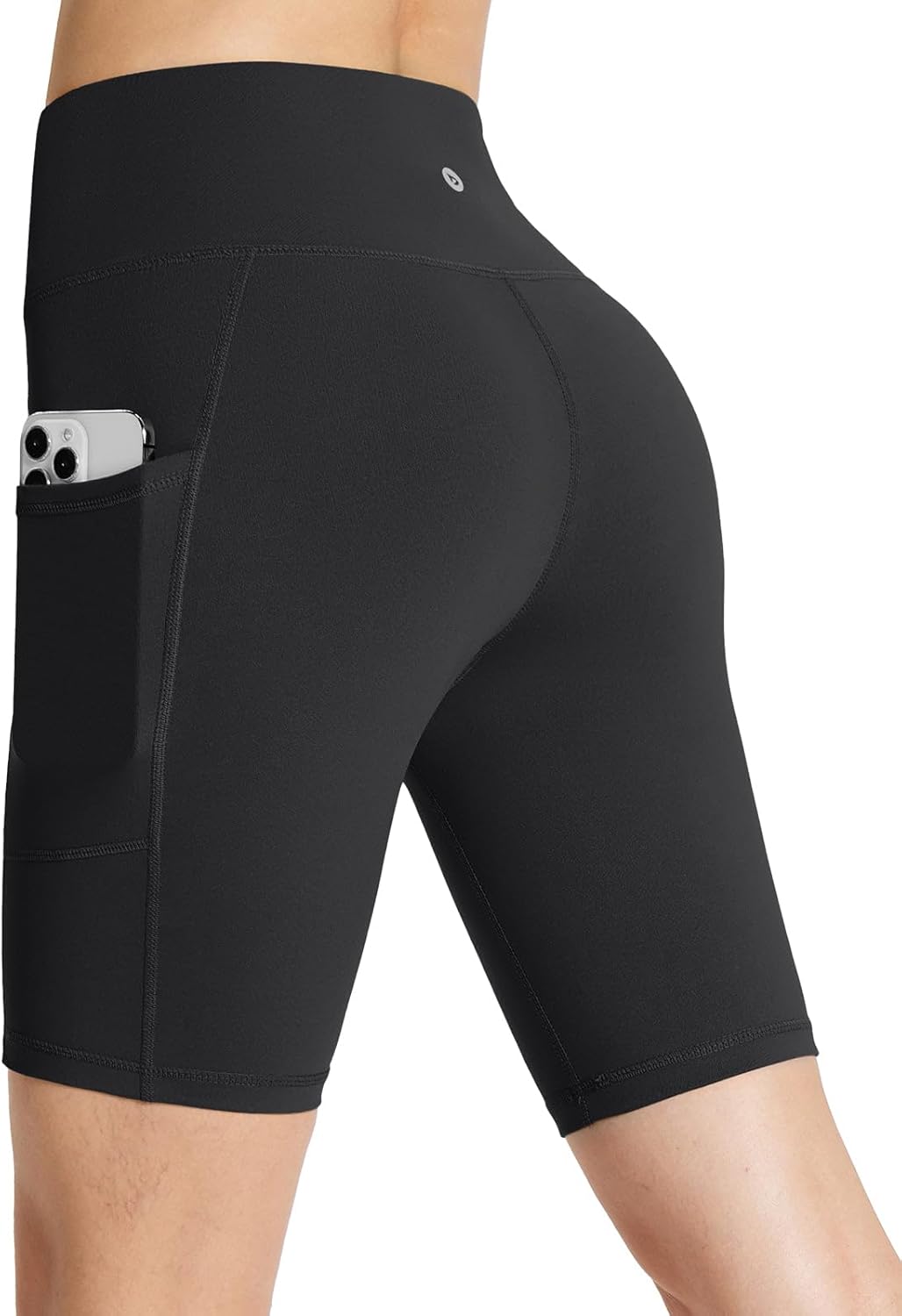
baleaf
$14.23
In stock on Amazon
Check price on AmazonMid-Tier Pick: IUGA Biker Shorts and CRZ YOGA 2-in-1 Shorts
Two options compete credibly in the mid-tier band, and they solve slightly different problems.
IUGA biker shorts draw consistent praise for a no-roll waistband and what owners describe as a “perfect amount” of compression — firm enough to hold the shorts in place and provide light muscular support, but not so tight that it restricts breathing or feels constrictive after mile seven. Runner’s World’s apparel review methodology consistently identifies waistband stability as one of the top reported pain points in biker-style shorts, and IUGA owners appear to have found a construction that solves it. For runners who have dealt with compression shorts that migrate down during a run and require mid-race adjustment, the IUGA waistband feedback is a meaningful differentiator.
CRZ YOGA 2-in-1 shorts earn their position in this tier primarily through two owner-reported strengths: a zip pocket that genuinely holds a phone without bounce, and a lightweight fabric that owners return to season after season. The 2-in-1 style — loose outer short over an integrated compression liner — was specifically flagged by owners as having been worn through a half marathon distance with no chafe reported. For intermediate runners moving from 5K/10K distance into half marathon territory, no-chafe performance at 13.1 miles is a meaningful threshold, and owner-reported data at that distance carries more weight than shorter-run feedback.
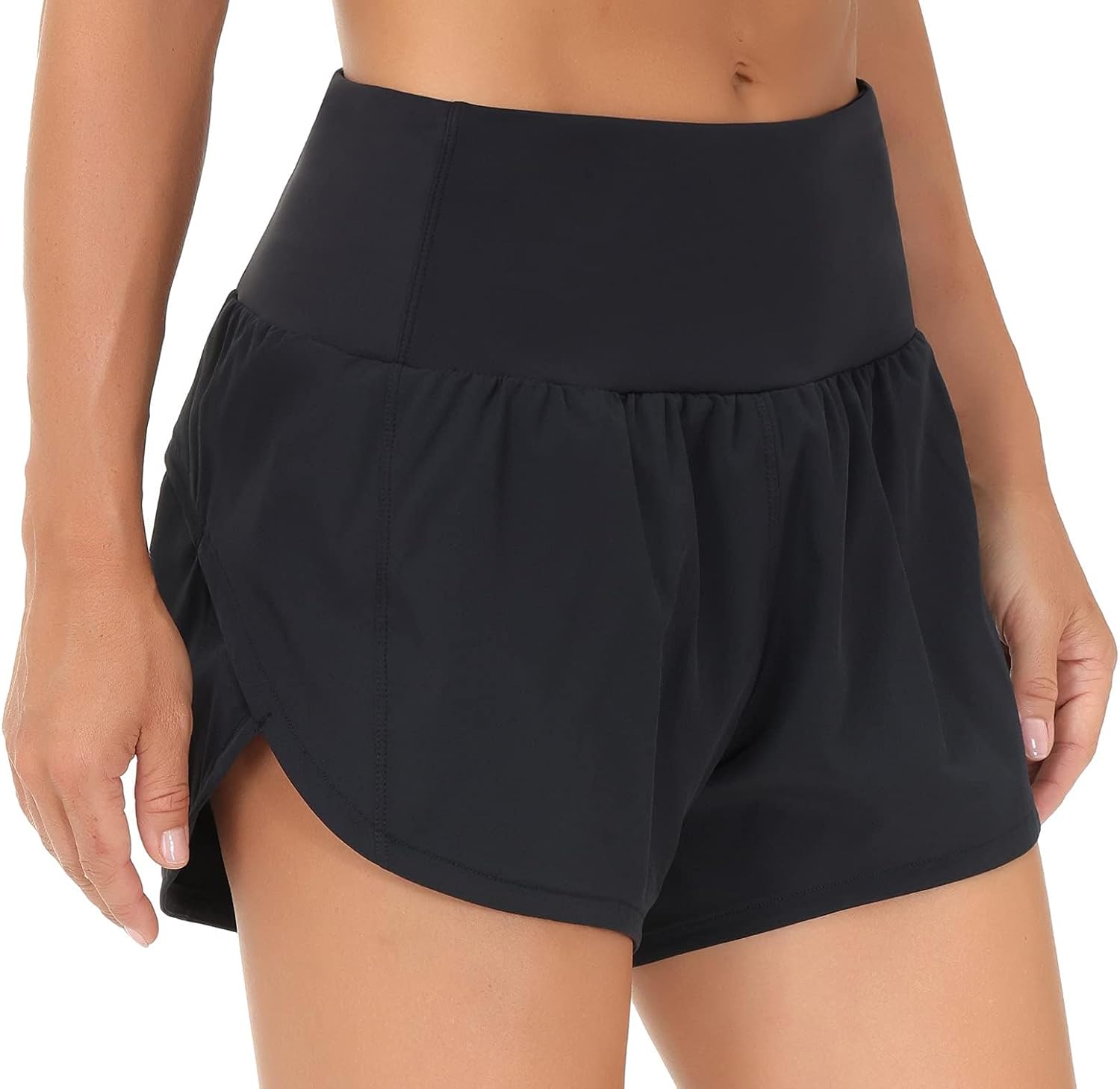
THE
$19.89
In stock on Amazon
Check price on AmazonPremium Consideration: THE GYM PEOPLE and Elevated Construction Standards
THE GYM PEOPLE shorts are frequently labeled a “Lululemon dupe” in owner reviews — which is both a compliment to the aesthetic and a useful flag about expectations. At a price point above the budget tier but below flagship athletic brands, the construction is generally solid. However, there is a recurring liner complaint that runners should weigh carefully: owners consistently describe the built-in liner as large and loose rather than snug like a brief, with at least one reviewer explicitly noting they planned to cut it out entirely. For runners who rely on the liner as an underwear replacement — which is the functional purpose of a lined short — a loose liner defeats that purpose and can introduce chafe by creating bunching fabric. If you need a liner that performs like a fitted brief at distances beyond 5 miles, this is a documented risk.
For runners who don’t rely on the liner (or who would remove it and use the shorts as a standalone compression layer), THE GYM PEOPLE’s fabric quality and aesthetic hold up. For runners who need liner performance, redirect budget toward the IUGA or CRZ YOGA options in the mid-tier band.
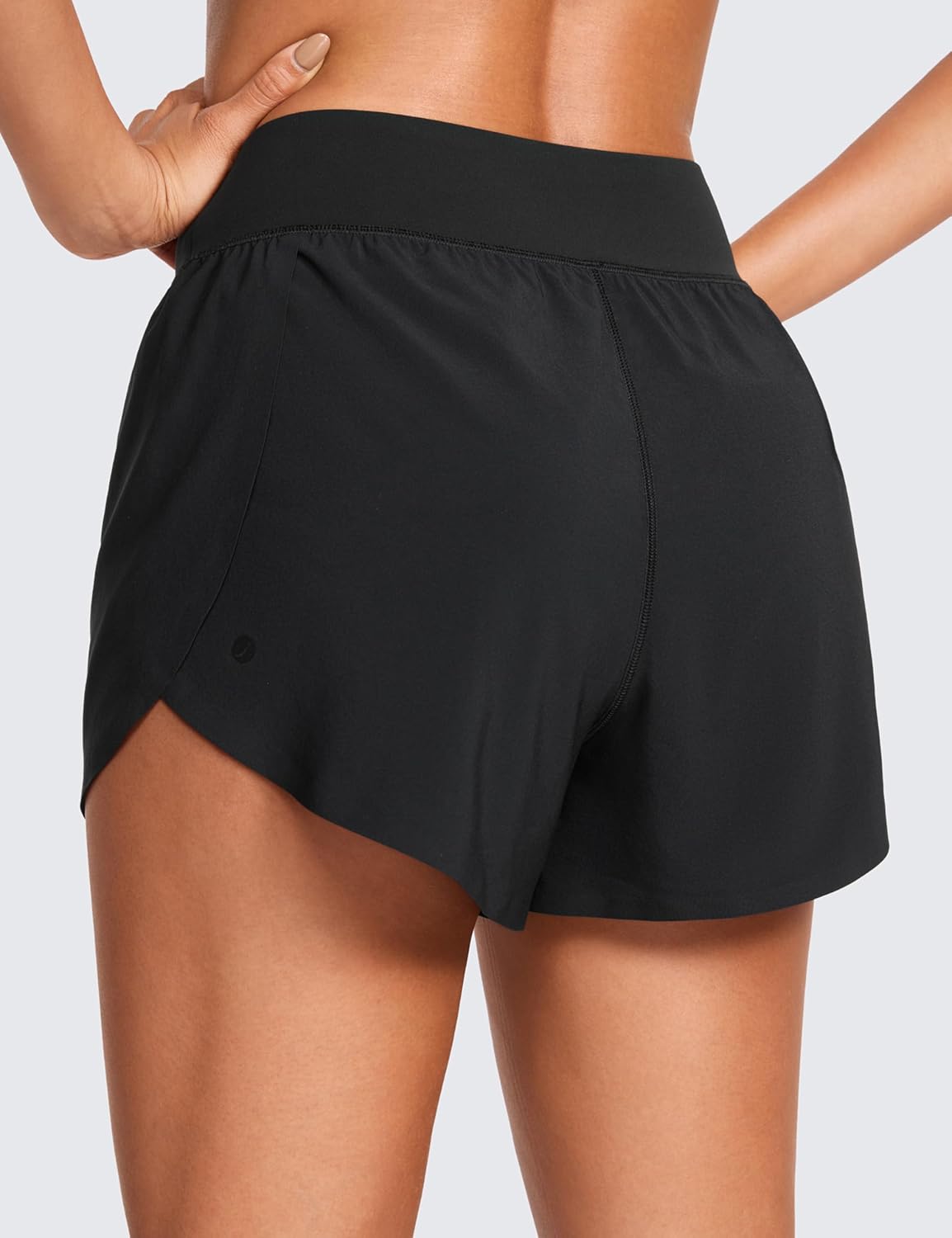
CRZ
$23.80
In stock on Amazon
Check price on AmazonPhone Carry, Pocket Engineering, and the Bounce Problem
Pocket placement is one of the most under-discussed purchase factors in running bottoms — until you’ve tried to run 8 miles with a phone stuffed in a waistband pocket that flops against your hip for every stride.
The biker short format has a structural advantage here: a side-seam or thigh pocket in a compression short sits against the leg and moves with it, meaning the phone’s inertia is partially absorbed by the fabric’s compressive contact with your thigh rather than by the pocket hanging free. CRZ YOGA owners specifically cite the zip pocket as a reason they reach for that style over pricier alternatives — the zipper closure eliminates the “phone launches out on a downhill” failure mode that plagues open-top pockets.
Running shorts — particularly shorter 3-inch styles — have less real estate for phone pockets. The back waistband key pocket that comes standard on most running shorts holds a key, an ID, and one gel. It will not hold a modern smartphone without the short riding up or twisting. If phone carry without a separate waist pack is a priority for your training runs, biker shorts with a structured side or thigh zip pocket are the functionally superior choice.
Half Marathon and Beyond: Which Style Holds Up?
Here is the decision frame for runners targeting race distances of 13.1 miles and up:
If you are prone to inner-thigh chafe: Biker shorts are the clearer choice. The continuous compression fabric from waist to mid-thigh eliminates the skin-on-skin contact that causes chafe in shorter running shorts. Owner feedback on IUGA and CRZ YOGA 2-in-1 styles at half marathon distances supports this consistently, as compiled in RunRepeat’s aggregated apparel review data.
If you run hot and prioritize ventilation: Traditional running shorts with a 3-inch or split-hem inseam will serve you better in warm conditions. The tradeoff is managing chafe risk with anti-chafe balm on the inner thighs. Podium Runner’s race-day gear guidance consistently recommends applying anti-chafe product preemptively — not reactively — so you can identify problem zones during long training runs before they become race-day emergencies.
If you want compression benefit without full biker-short coverage: The 2-in-1 style is the middle path. CRZ YOGA’s 2-in-1 owner data at half marathon distance suggests this format can deliver chafe-free performance while maintaining the aesthetic of a traditional running short.
If you’re targeting a PR and every variable matters: Race day is not the place to experiment with a new format. Runner’s World’s race preparation editorial consistently identifies unfamiliar gear as one of the most common sources of preventable race-day friction — literal and figurative. If you’ve trained in biker shorts, race in biker shorts. If you’ve trained in running shorts, race in running shorts.
Frequently Asked Questions
Do biker shorts ride up or chafe on runs longer than 5 miles? Ride-up is more common in biker shorts with looser waistbands or less compressive fabric. Owner reviews for IUGA shorts specifically praise the no-roll waistband as a solution to this issue. Chafe in biker shorts is less common than in loose running shorts because continuous fabric reduces skin-on-skin contact, but seam placement matters — look for flatlock seams (stitching that lies flat rather than creating a ridge) in any style you consider for long distances.
Are the built-in liners in running shorts a replacement for underwear? Yes — that is exactly what they are designed for. A well-constructed brief liner eliminates the need for separate underwear. The key word is “well-constructed”: as THE GYM PEOPLE owner reviews illustrate, a liner that is loose and oversized defeats the purpose and can create more chafe than it prevents. Before committing to any lined short for long runs, check color-specific or size-specific reviews for liner fit feedback.
Why does the same biker short feel different in different colors? This is a real phenomenon. Different dye formulations can affect fabric stiffness and hand feel, and some manufacturers use slightly different fabric batches across colorways. BALEAF’s charcoal-versus-black discrepancy is a documented owner-reported example. If you’ve ordered one colorway and love it, do not assume the same style in a different color will feel identical — read color-specific reviews before reordering.
Which style is better for carrying a phone without bounce? Biker shorts with a zip side or thigh pocket generally outperform running shorts for phone carry. The compression fabric holds the pocket against the leg, reducing movement. CRZ YOGA’s zip pocket design receives consistent owner praise specifically for this reason. Open-top waistband pockets in any style tend to allow phone movement on technical terrain or fast downhills.
Can I wear 3-inch split-hem shorts for a half marathon without chafing? Yes, but it requires preparation. Anti-chafe balm on the inner thighs and any seam-contact points is non-negotiable at that distance in a shorter inseam. Podium Runner’s race-day gear guidance consistently recommends applying anti-chafe product during long training runs — not just on race morning — so you can identify problem zones before race day.
How do I know if a liner will actually stay put during a run? Check owner reviews that specifically mention distance — feedback from someone who ran 8 or more miles in a short is more predictive than feedback from a treadmill test. Look for comments on whether the liner shifted, bunched, or required adjustment mid-run. A liner described as “snug like a brief” at longer distances is the signal you want. A liner described as “loose” or “big” — as repeatedly noted in THE GYM PEOPLE reviews — is a warning flag for any run beyond a few miles.