If you’ve been running — or thinking about getting back into running — you’ve almost certainly bumped into the question of which everyday trainer to buy first. An everyday trainer is simply the shoe you reach for on most of your runs: not a race-day special, not a trail-only shoe, just a reliable, cushioned workhorse that can handle miles of pavement without beating up your legs or your wallet. The three shoes in this comparison — the New Balance 520 v9, the ASICS Gel-Venture 10, and the Brooks Ghost 17 — all sit in the under-$100 category and dominate the “best budget trainer” conversation heading into 2026. If you’re deciding between them right now, this article will give you the tradeoffs in plain terms, the math that matters, and a clear rule for picking the right one.
One thing worth flagging before we dive in: a notable pattern shows up across owner reviews for all three shoes. People aren’t just using these for running — they’re wearing them for daily walking, yard work, errands, even biking. That tells you something about who actually buys these shoes and what they really need: something that feels good all day, not just for 45 minutes on a track. We’ll keep that reality in mind throughout.
The At-a-Glance Comparison
Before digging into each shoe, here’s the scorecard based on aggregated owner feedback from RunRepeat’s review databases and published specs:
| NB 520 v9 | ASICS Gel-Venture 10 | Brooks Ghost 17 | |
|---|---|---|---|
| Price range | ~$60–$70 | ~$65–$75 | ~$80–$100 |
| Stack height (heel) | ~29mm | ~30mm | ~33mm |
| Width options | 2E, 4E wide available | Standard, wide (2E) | Standard, wide (2E) |
| Best for | Comfort seekers, wide feet | Mixed surfaces, value buyers | Return-to-running, all-day wear |
| Durability signal | Solid per owners | 6-month concern under heavy use | High — owners report extended lifespan |
Stack height is the thickness of cushioning between your foot and the ground, measured at the heel. More stack generally means more cushioning and a softer landing — relevant if you’re running on pavement or recovering from time off.
New Balance 520 v9
Who It’s For and What Makes It Work
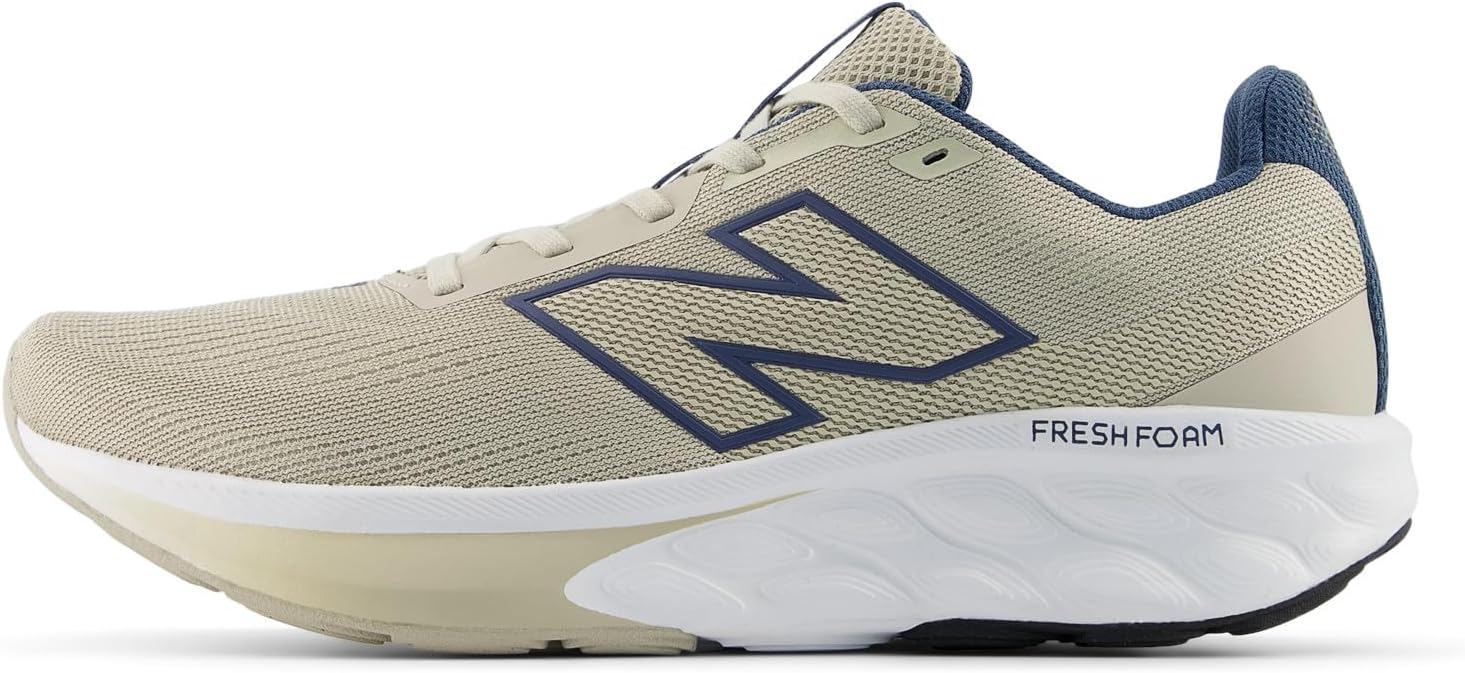
The New Balance 520 v9 has a devoted following, and when you read through owner reviews aggregated in RunRepeat’s New Balance 520 database, the reason is clear: the cushioning feels noticeably plush for the price point, and New Balance is one of the few brands that genuinely invests in wide sizing at this budget tier.
Owners consistently describe the midsole — the layer of foam between the upper and the outsole — as providing a bouncy, soft-underfoot sensation without feeling unstable. That perception is driven by the ABZORB foam compound New Balance uses at the heel. It is not cutting-edge foam technology by 2026 standards — you won’t find the nitrogen-infused materials you’d see in a $180 daily trainer — but it performs well above its price.
Where the 520 wins:
- Width availability is a genuine differentiator. If you’ve historically had to choose between “fits my width” and “fits my budget,” the 520 removes that tradeoff. The 4E wide option is rare at this price, and owners with wider feet consistently call it out as the deciding factor in their purchase.
- All-day comfort case is strong. Given that many owners are wearing these shoes far beyond running miles — on walks, during yard work, through full workdays — the 520’s soft platform earns its keep.
- Sizing runs true. Owners across RunRepeat’s review pool report minimal sizing surprises, which reduces the friction of buying online.
Where to be cautious: The 520 v9 is not a performance shoe. Its modest stack and minimal structure mean it won’t reward aggressive heel-strike running with much energy return. It’s a comfort tool, not a speed tool.
ASICS
$54.95
In stock on Amazon
Check price on AmazonASICS Gel-Venture 10
The Traction Specialist at Budget Pricing
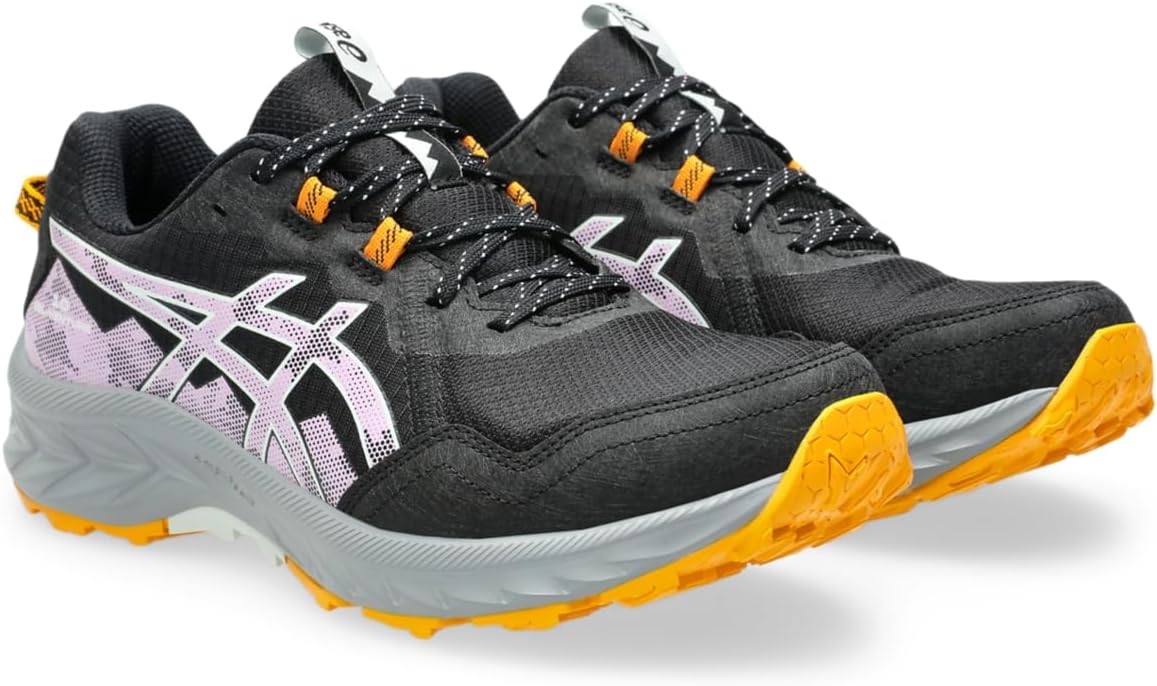
The ASICS Gel-Venture 10 carves out its niche differently. This shoe is purpose-built for mixed-surface running — the outsole, which is the rubber bottom of the shoe that contacts the ground, features pronounced lugs (raised rubber nubs) that grip loose dirt, wet pavement, and packed gravel more confidently than either of the other two shoes in this comparison. Owners in RunRepeat’s ASICS Gel-Venture 10 aggregated review database consistently rank traction as a primary reason they chose and kept this shoe.
ASICS’s GEL technology — silicone-based cushioning pods embedded in the heel — is one of the most recognized cushioning systems in running footwear, and the Gel-Venture delivers a meaningful version of it at a price point where many brands skip the feature entirely. Owners report a smooth, stable heel landing.
Where the Gel-Venture wins:
- Mixed-surface versatility. If your routes combine sidewalks with gravel paths, park trails, or poorly maintained roads, the Gel-Venture handles transitions without demanding you think about it. Neither the Ghost 17 nor the 520 offers comparable grip confidence off pavement.
- True-to-size fit. Owner feedback consistently praises fit accuracy. You’re unlikely to need to size up or down from your normal running shoe size.
- Price-to-feature ratio. At approximately $65–$75, the Gel-Venture delivers branded cushioning technology and a genuine multi-surface outsole — a combination that’s hard to match dollar-for-dollar.
The durability flag you need to know: Owner feedback patterns in RunRepeat’s review database raise a durability concern — specifically, that under heavy daily use (primary shoe every day, with significant walking miles added), the Gel-Venture may need replacement around the six-month mark. For a runner logging 25–30 miles per week, that could mean the cost-per-mile math tilts toward the Ghost 17, which owners consistently describe as longer-lasting. If you’re using the Gel-Venture for three to four runs per week plus light daily wear, the durability story may be fine. If it’s your only shoe doing everything, factor that replacement timeline in.
Brooks
$109.95
In stock on Amazon
Check price on AmazonBrooks Ghost 17
The Return-to-Running Standard
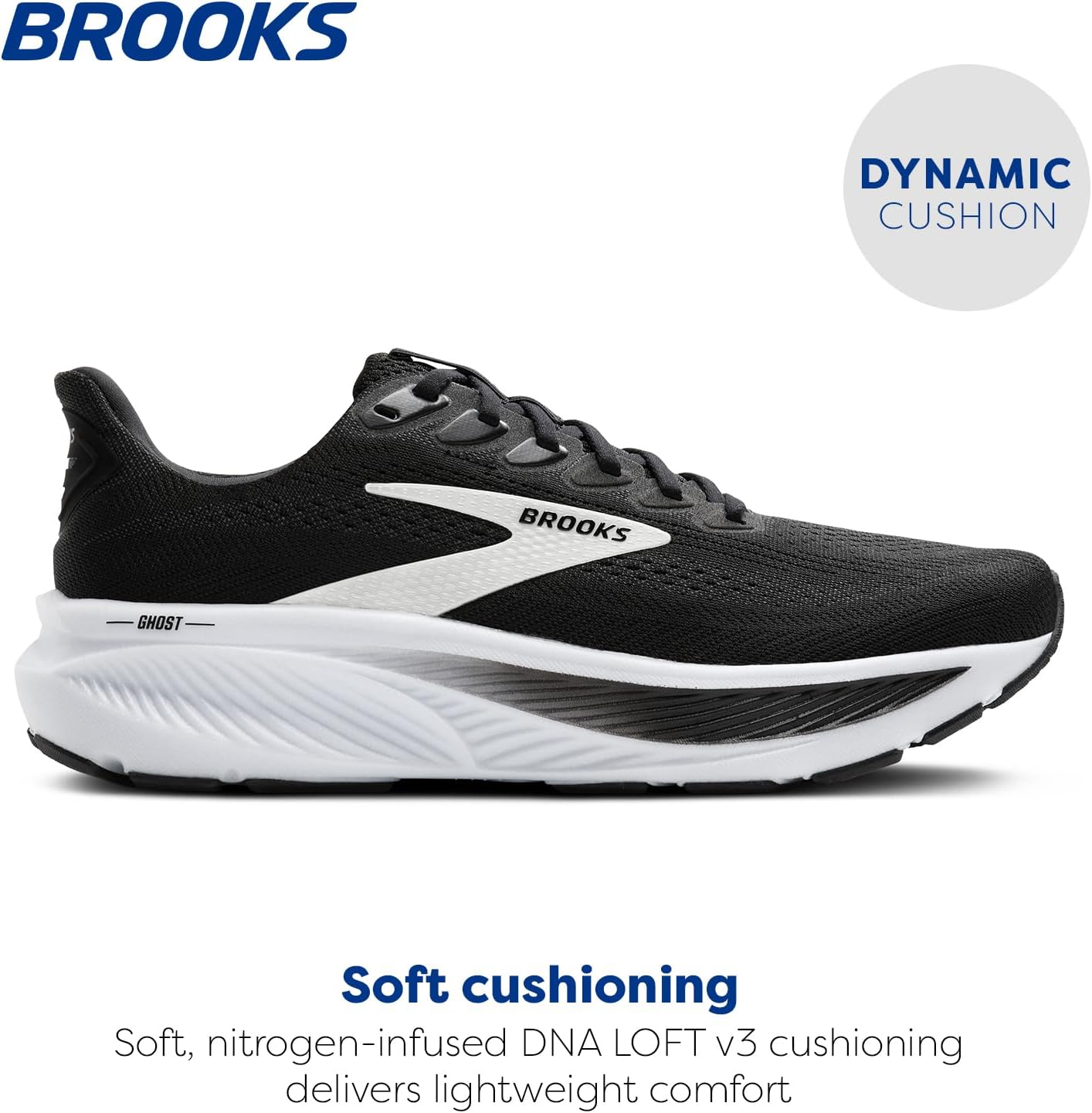
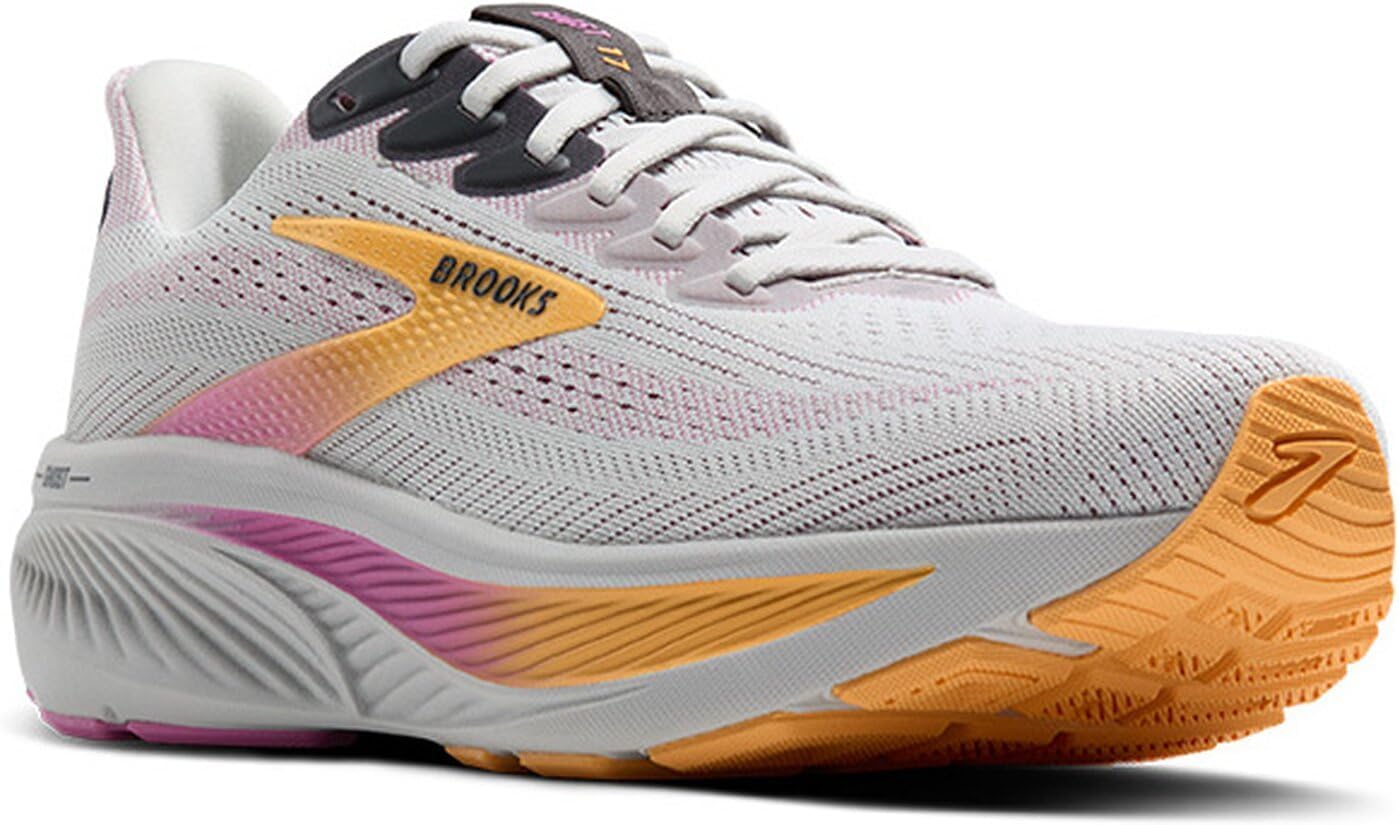
The Brooks Ghost has been a fixture on “best everyday trainer” lists for well over a decade, and the Ghost 17 carries that legacy forward. What’s striking in owner feedback aggregated at RunRepeat’s Brooks Ghost 17 database is the emotional tenor of the reviews: multiple owners specifically mention coming back to running after a long break — sometimes years — and crediting the Ghost with making that return comfortable enough to stick with.
That’s not a coincidence. The Ghost 17 features Brooks’s DNA LOFT v3 cushioning, a foam compound that delivers a plush, forgiving landing without requiring a meaningful break-in period — the time most shoes need before they feel comfortable, during which materials compress and conform to your foot. Owners are emphatic: the Ghost 17 feels good from the first run, not after the fifth.
Podium Runner’s “Best Budget Running Shoes” roundup for 2025 specifically recommends the Ghost series for runners who want a predictable, day-in-day-out experience without managing shoe rotation complexity — a point worth noting for runners who prefer to keep their gear decisions simple.
Where the Ghost 17 wins:
- No meaningful break-in period. This is the most consistent single claim across Ghost 17 owner reviews, and it matters enormously for returning runners who can’t afford a week of blisters discouraging them from continuing.
- Cushioning durability. Unlike foams that pack out — compress permanently and lose responsiveness — quickly, the DNA LOFT compound in the Ghost 17 holds up over hundreds of miles. Owners report the shoe maintaining its cushion feel well into its lifespan, making it a better long-term investment if you’re choosing a single shoe.
- Runner’s World’s “Best Running Shoes for Beginners” (2025 edition) notes the Ghost’s neutral platform as particularly well-suited to runners who haven’t yet determined their gait preferences or pronation pattern.
Where to be cautious: The Ghost 17 is the most expensive of the three, typically landing at $80–$100 depending on colorway and sizing. It also runs closer to a standard width — if you have wide feet, verify 2E availability in your size before committing.
Brooks
$109.95
In stock on Amazon
Check price on AmazonFrequently Asked Questions
Do any of these shoes accommodate orthotics? All three have removable insoles, which means they can physically accept aftermarket orthotics — custom or over-the-counter inserts a podiatrist or physical therapist may recommend. Runner’s World’s “Best Running Shoes for Beginners” (2025 edition) notes the Ghost 17’s roomier toe box and neutral platform as among the more orthotic-friendly options at this price tier. The Gel-Venture’s structured heel cup can be compatible with orthotics but may create a tight fit depending on the orthotic’s volume. The 520 v9, particularly in wide widths, typically offers enough interior volume to accommodate most standard orthotics comfortably.
Which runs wide or narrow? The NB 520 v9 is the clear winner for wide-foot runners, with 2E and 4E options available. The Ghost 17 and Gel-Venture 10 both offer 2E wide versions, but their standard widths are comparable. Narrow-foot runners should note that none of these three shoes is produced in a narrow width — they’re built for average to wide feet.
How long do these shoes typically last under daily use? The Running Clinic’s footwear selection clinical resource frames shoe lifespan around 300–500 miles of running use, with degradation varying by runner weight, surface, and gait pattern. Owner feedback in RunRepeat’s databases suggests the Ghost 17 performs toward the higher end of that range. The Gel-Venture 10 may wear faster under heavy combined running and walking use — the six-month durability flag mentioned in owner reviews is worth taking seriously if you’re logging high combined mileage. The 520 v9 falls in the middle.
Are these appropriate for someone returning to running after a long break? Yes, and the Ghost 17 is the strongest recommendation for that use case specifically. The no-break-in experience owners describe — combined with forgiving cushioning — lowers the barrier to getting consistent miles under your legs again. The Running Clinic’s footwear guidance emphasizes that returning runners benefit most from neutral, well-cushioned trainers that don’t demand gait adaptation; all three shoes fit that profile, but the Ghost’s track record with returning runners is the most documented in owner feedback.
Which has the best traction for mixed surfaces? The ASICS Gel-Venture 10 is not close here. Its multi-directional lug outsole is purpose-designed for mixed terrain, and owner reviews in RunRepeat’s database consistently confirm it performs on surfaces where the Ghost 17 and 520 feel less confident. If your routes regularly include gravel, dirt paths, or wet pavement, the Gel-Venture is the pick.
The Decision Rule
Here’s how to navigate this without overthinking it:
If your feet run wide or you need 4E sizing: The New Balance 520 v9 is your answer. No other shoe at this price point matches its width availability, and the cushion is genuinely good for everyday miles and all-day wear.
If your routes mix surfaces or you want traction confidence: The ASICS Gel-Venture 10 earns its spot — just treat it as a shoe you’ll replace within 12 months under heavy combined use rather than one that quietly fades into retirement at mile 500.
If you’re returning to running after time off, or you want the most durable everyday cushion: The Brooks Ghost 17 is worth the extra $15–$30. The no-break-in experience and long-lasting foam make it the lowest-friction re-entry into consistent training — and per Podium Runner’s 2025 “Best Budget Running Shoes” recommendations, it remains the benchmark for this category.
None of these shoes will limit your training if your goal is building a base, finishing a 5K, or returning to half-marathon shape. The right shoe is the one that fits your feet and your routes — not the one with the longest spec sheet.