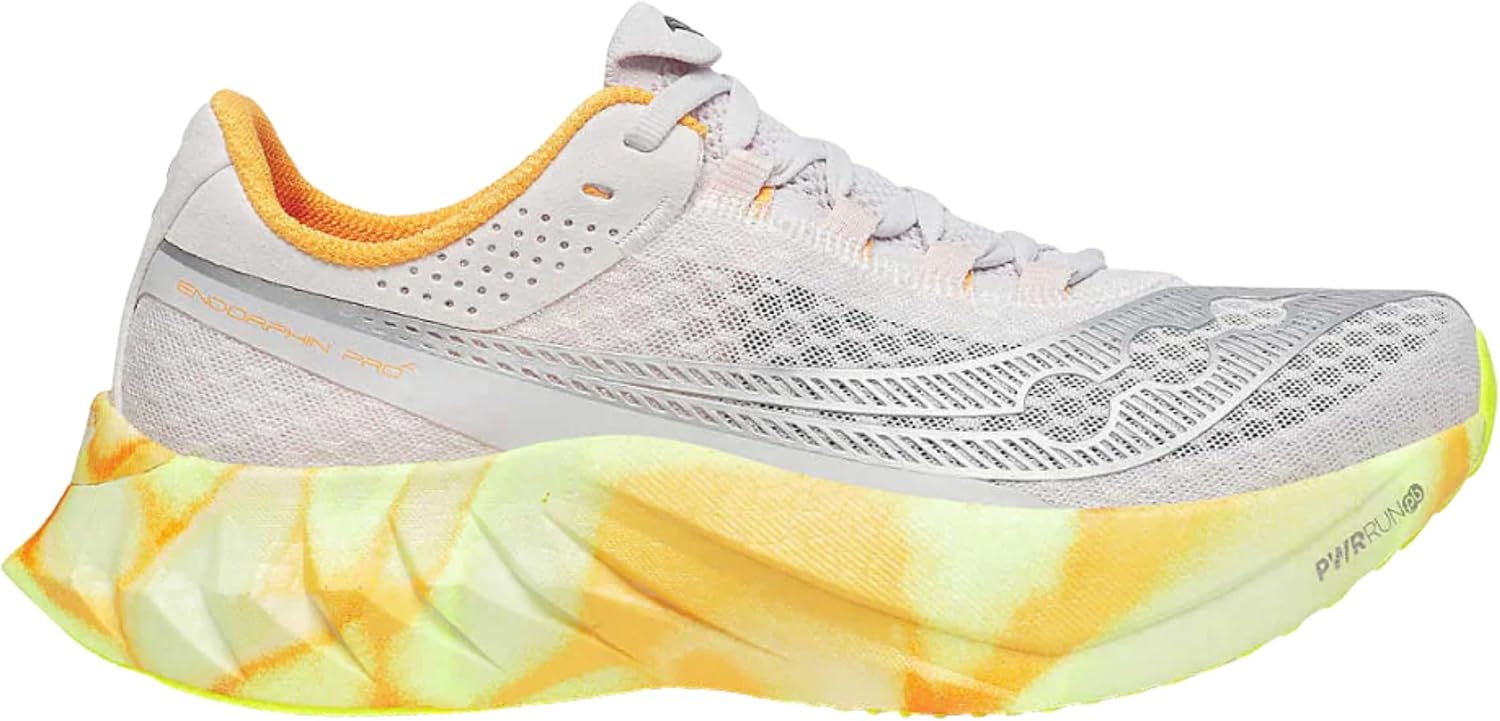
You have probably heard the term “carbon plate shoe” thrown around at every starting corral from the 5K to the marathon. Here is the short version of what that actually means: a carbon plate shoe is a racing shoe that sandwiches a stiff, thin plate made of carbon fiber inside a very soft, bouncy foam midsole. The plate acts like a spring — it stores energy when your foot bends and releases it as you push off, which can meaningfully reduce how hard your muscles have to work over 26.2 miles. The soft foam (usually a proprietary blend like Nike’s ZoomX, ASICS’s FF Blast Turbo, or HOKA’s PEBA-based compound) amplifies that effect by compressing deeply and rebounding fast. The combination, often called a “super shoe,” is the reason world marathon records have tumbled repeatedly since 2017.
What the gear conversation rarely settles is the part that matters most to you: these shoes do not all work equally well at every pace. The plate geometry, stack height, and foam stiffness are tuned by engineers with a target runner in mind. Drop into the wrong shoe for your finish-time goal and you are either fighting a board-stiff ride that punishes a less-than-elite stride, or floating in a cloud that never fully springs back at the turnover you actually run. This guide maps the current field — using published specs and aggregated owner and reviewer data — to the pace bands where each shoe earns its price tag.
Why Pace Band Matching Matters (And What the Research Shows)
The biomechanics case for pace-specific shoe matching comes down to one concept: propulsive return timing. The carbon plate in a super shoe only delivers its energy benefit when the runner’s stride generates enough ground contact force and spends enough time in the toe-off phase for the plate to load and snap back. Runners at slower paces tend to have longer ground contact times and lower peak forces, which can actually cause a very stiff, high-stack shoe to feel sluggish or unstable rather than propulsive.
Outside Online’s deep-dive on super shoe biomechanics summarizes the consensus from published sport-science literature: elite athletes (sub-3:00 marathon pace) load carbon-plate shoes near their mechanical optimum, while runners in the 4:00–5:00/mile range for shorter races and roughly 7:00–9:00/mile for marathons sit in a “benefit range” that is real but more variable. RunRepeat’s comprehensive analysis of carbon plate shoe owner reviews across several thousand verified purchasers found that satisfaction scores peak among runners logging half-marathon times of 1:25–1:55 and full marathon times of 3:00–4:15 — not exclusively among elites, but also not uniformly distributed across all paces.
The takeaway for a practitioner-level buyer: your pace band should be the first filter you apply, before brand loyalty, before colorway, and before whatever shoe your training partner is wearing.
The Pace-Band Breakdown: Which Shoe for Which Runner
By the Numbers
| Pace Band (marathon) | Half-Marathon Equivalent | Shoe Category |
|---|---|---|
| Sub-2:45 | Sub-1:17 | Elite-tuned, max stiffness |
| 2:45–3:30 | 1:17–1:40 | High-performance, versatile plate |
| 3:30–4:30 | 1:40–2:05 | Balanced stack, moderate stiffness |
| 4:30+ | 2:05+ | Softer plate, protective stack |
Sub-2:45 Marathon / Sub-1:17 Half: Elite-Tuned Plates
At this level the shoes are engineered around you, not the other way around. The ASICS Metaspeed Sky+ ($250) and the Nike Vaporfly 3 are the most-discussed options in published reviews at this tier. Runners World’s roundup consistently notes the Metaspeed Sky+ rewards a stride-length-dominant runner — someone who generates power by covering ground per step rather than spinning legs fast. Its forefoot rocker geometry and relatively narrow platform ask for a confident, powerful push-off. Podium Runner’s buyer’s guide describes the Metaspeed Sky+ as “unforgiving of a hesitant foot strike,” which is exactly the tradeoff to name explicitly: if your form degrades late in a race, this shoe amplifies the problem rather than masking it.
The On Running Cloudboom Echo 3 ($270) enters the conversation here as a shoe that reviewers across Running World and Podium Runner describe as slightly more forgiving on the plate feel while still delivering genuine propulsion. The Helion HF foam compound and the integrated speedboard plate have earned consistent praise for a snappier, less “marshmallow” sensation compared to ZoomX-based competitors — relevant if you find very soft foam fosters instability at race pace.
If X, then Y: If your goal is a sub-2:45 marathon or sub-1:17 half and you have a stride-length-dominant gait, the Metaspeed Sky+ is the precision instrument. If you want a slightly more stable platform at that pace range, the Cloudboom Echo 3 is the defensible alternative.
2:45–3:30 Marathon / 1:17–1:40 Half: The Sweet Spot
This is where carbon plate technology delivers its most consistent and well-documented benefit, and — not coincidentally — where most of the competitive age-group market lives. The shoes in this range are engineered with enough stack height to protect against race-day cumulative fatigue while maintaining genuine propulsive return.
The Nike Vaporfly 3 remains the benchmark reviewers reach for first in this band. Its ZoomX foam is consistently described by owners and reviewers as the most reliably bouncy compound on the market, and the full-length carbon plate is tuned for the ~5:45–7:30/mile pace range that maps to this finish-time window. DC Rainmaker’s running shoe tech overview notes the Vaporfly platform as the most-documented shoe in peer-reviewed sport-science studies, which matters if you want confidence in the underlying performance claim rather than marketing language.
The HOKA Rocket X 2 ($225) is the pick for runners in this band who want more underfoot protection without sacrificing plate responsiveness. Owners in long-run aggregated reviews consistently note the HOKA platform forgives slight heel contact and late-race form breakdown better than Nike or ASICS alternatives, a meaningful tradeoff for anyone running their first sub-3:15 attempt and uncertain how the final 10K will go. RunRepeat’s owner-review analysis places the Rocket X 2 among the highest satisfaction scores for marathon runners targeting 3:00–3:30, with durability as a recurring positive mention.
If X, then Y: If you have race-day experience in super shoes and are targeting a PR in the 2:45–3:15 window, the Vaporfly 3 is the most evidence-backed choice. If this is your first carbon shoe race or you are building toward a 3:15–3:30 goal, the Rocket X 2’s more protective geometry is worth the marginal trade-off in outright snap.
3:30–4:30 Marathon / 1:40–2:05 Half: Balanced Plate, Smarter Spend
Here is where the buyer’s calculus gets interesting — and where the most expensive shoe is not automatically the right one. At this pace band, the ground contact time and biomechanical profile of most recreational runners means that a max-stiffness elite plate can actually feel dead or unstable rather than propulsive. What works better, per aggregated reviewer consensus, is a shoe with a moderately stiff plate embedded in a protective, energy-returning foam that does some of the work even when the plate isn’t loading optimally.
The Saucony Endorphin Pro 4 is the shoe Podium Runner’s buyer’s guide and Runners World’s roundup both identify as the standout for this bracket. Owners describe the PWRRUN HG foam as delivering a bouncier, more immediate sensation underfoot than the deepest PEBA foams, and the carbon-fiber plate is positioned to engage across a broader range of foot-strike patterns. It’s also priced at approximately $225, making it the most accessible option among true carbon-plated race shoes at its performance level.
The Adidas Adizero Adios Pro 3 earns consistent mentions in this tier for runners who want a more traditional heel-to-toe drop feel. Outside Online’s super-shoe feature notes that the Adizero Adios Pro platform’s Continental rubber outsole patches add meaningful durability — a legitimate concern when a $225 shoe might log 3–4 marathons before retirement.
If X, then Y: If your goal is a 3:30–4:00 marathon and you want a plate shoe that actually works for your current fitness, the Endorphin Pro 4 is the recommendation that holds up across multiple independent review sources. If you are targeting 4:00–4:30 and prioritizing durability across a multi-race season, the Adizero Adios Pro 3’s outsole construction tips the balance in its favor.
4:30+ Marathon / 2:05+ Half: Protective Stack Over Plate Stiffness
At this pace band, the honest editorial position — backed by the biomechanics literature summarized by Outside Online and the owner-review patterns documented by RunRepeat — is that a max-stiffness carbon plate is unlikely to deliver its full advertised return. That does not mean a plated shoe is wrong here; it means the choice criteria shift. Cushioning, stability, and late-race protection matter more than outright propulsive snap.
The New Balance FuelCell SuperComp Trainer v3 (often found near $175–$185) occupies an interesting position: it carries a carbon-fiber plate and a generous stack of FuelCell foam, but is tuned more as a daily-trainer-adjacent shoe than a pure race spike. Owners at this pace band consistently rate it higher than pure race shoes because the wider platform and softer ride feel natural rather than demanding. It will not win a shoe-against-shoe energy-return comparison in a lab, but for a runner completing their first sub-5:00 marathon, the reduced injury risk and superior comfort across 26.2 miles are the tradeoffs worth making.
If X, then Y: If you are running your first or second marathon and targeting a sub-5:00 finish, prioritize fit, comfort, and a stable platform over plate stiffness. The FuelCell SuperComp Trainer v3 gives you the psychological boost of a plated race shoe without punishing a developing stride.
The Decision Rule, Simplified
The research and the aggregated owner data converge on a single framework: buy one pace band ahead of where you train, not two. If your long runs sit at 9:30/mile and your goal race pace is 8:45/mile, a moderate-stiffness plate shoe serves you better than the same model an elite marathoner races in. The elite shoe is tuned for forces your stride does not yet generate consistently — and that mismatch costs energy rather than returning it.
Carbon plate shoes are genuinely performance-improving tools, not marketing fiction. But they are tools with specific operating conditions. Match the tool to your pace band, verify fit on a real foot (manufacturers’ sizing notes frequently flag that Vaporfly and Metaspeed Sky+ run a half-size narrow), and treat the first race in a new super shoe as a dress rehearsal rather than a PR attempt. The shoe is only as fast as the athlete who trained to race in it.