If you’ve started shopping for running shoes seriously, you’ve probably noticed a stark price divide on the shelf: there are the everyday “workhorse” trainers — shoes built to handle your Tuesday easy runs and your long Sunday slogs — and then there are the carbon-plated “super shoes” designed almost exclusively for racing and fast workouts. A workhorse trainer like the Brooks Ghost (around $140) or the ASICS Gel-Nimbus ($160) is meant to be used a lot, worn until the foam breaks down, and replaced on a budget-friendly cycle. A super shoe — think the ASICS Metaspeed Sky+ ($250), the On Running Cloudboom Echo 3 ($270), or Nike’s Vaporfly lineup — uses a rigid carbon-fiber plate embedded in a thick, bouncy foam stack to return energy with each stride, which reviewers and race-result data consistently link to meaningful time improvements. The price gap is real and the question is legitimate: does spending $250 on a shoe you’ll only race in twice a year actually make financial sense compared to buying a $140 trainer you’ll run in 400 times?
The answer depends entirely on one variable most runners never calculate: cost per mile. Once you run that number, the “expensive” shoe sometimes wins — and the “affordable” trainer sometimes loses. This article shows you the math, names the tradeoffs, and gives you a clear decision rule at the end.
The Core Math: Cost Per Mile, Defined
Cost per mile (CPM) is simple: divide what you paid by the total miles the shoe realistically delivers before it degrades past usefulness.
CPM = Purchase Price ÷ Usable Mileage
The hard part is the denominator. Runner’s World’s editorial guidance on shoe lifespan pegs conventional EVA-foam trainers at roughly 300–500 miles of useful life, with meaningful variation based on runner weight, gait, and surface. Plush daily trainers with thick nitrogen-infused or PEBA-based foam — like the Hoka Clifton or New Balance Fresh Foam More — often fall in the 300–400 mile range because their softer compounds compress faster under load. Firm, structured trainers built on denser rubber and firmer foam (think Brooks Adrenaline GTS) can push toward the 450–500 mile ceiling.
Carbon-plated super shoes are a different category entirely. The foam compounds used — primarily PEBA (polyether block amide) variants like Nike’s ZoomX or ASICS’ FF Turbo — are highly resilient, but the aggressive geometries, razor-thin outsoles, and race-tuned stack heights mean meaningful performance degradation sets in earlier than with trainers. Doctors of Running’s published analysis on midsole foam degradation and stack height changes notes that the structural integrity of super shoes — particularly the foam’s energy return — begins declining noticeably around 150–200 miles, with most elite-adjacent runners treating 300 miles as an absolute ceiling. Podium Runner’s 2024 feature on carbon shoe rotation strategies for marathoners recommends a working assumption of 200–250 miles for athletes who are actually racing in them and using them for quality sessions.
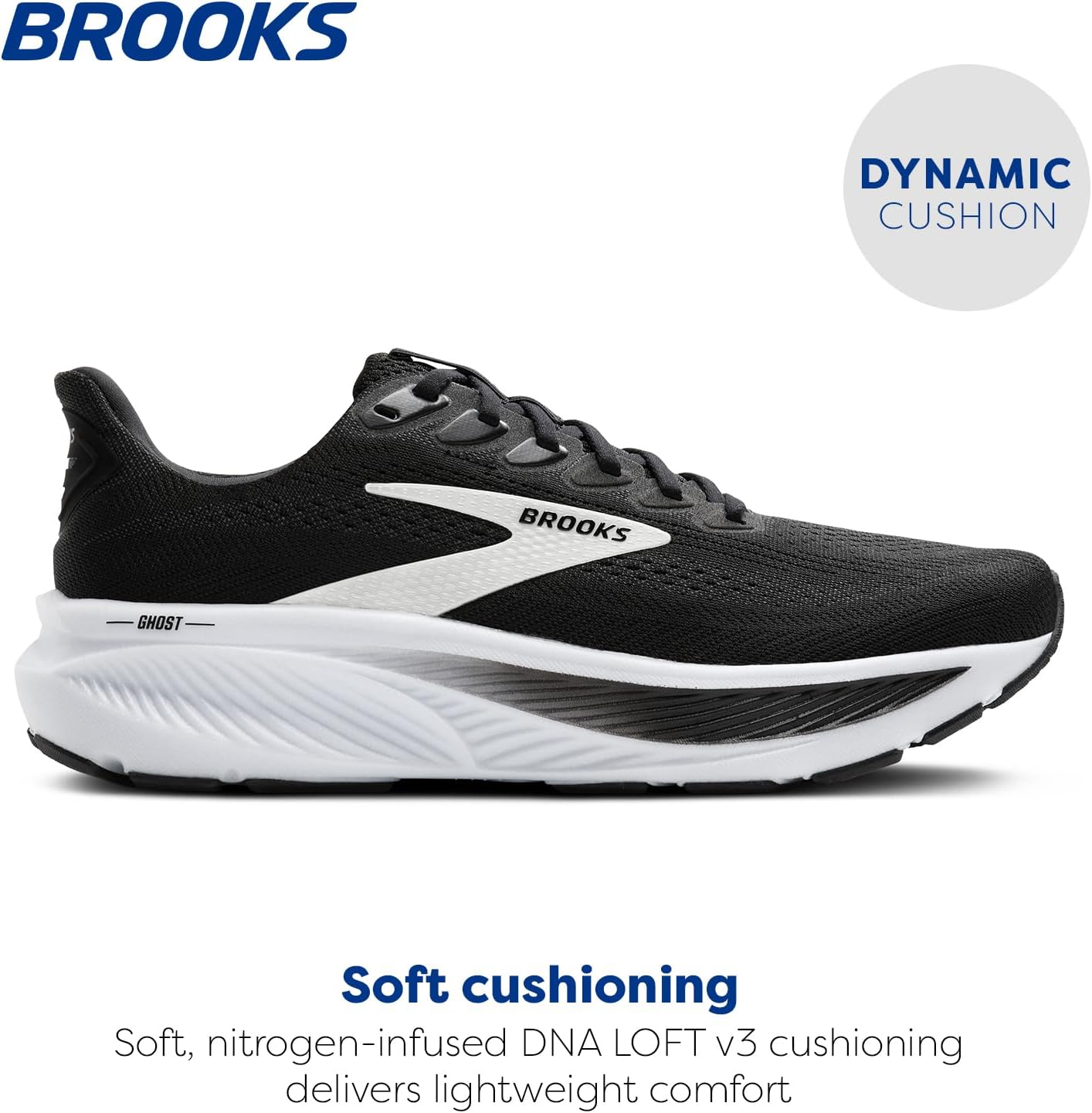
Budget-Tier Daily Trainer: The Brooks Ghost 16
At approximately $140 and an estimated usable lifespan of 400–450 miles, the Brooks Ghost 16 delivers a CPM of roughly $0.31–$0.35. It is the benchmark workhorse: a neutral, versatile trainer that handles easy miles, long runs, and moderate tempo efforts without specialized foam or plate technology. The Ghost is the right shoe for runners whose primary goal is consistent mileage accumulation at a manageable annual cost.
Estimated CPM: $0.31–$0.35
Brooks
$109.95
In stock on Amazon
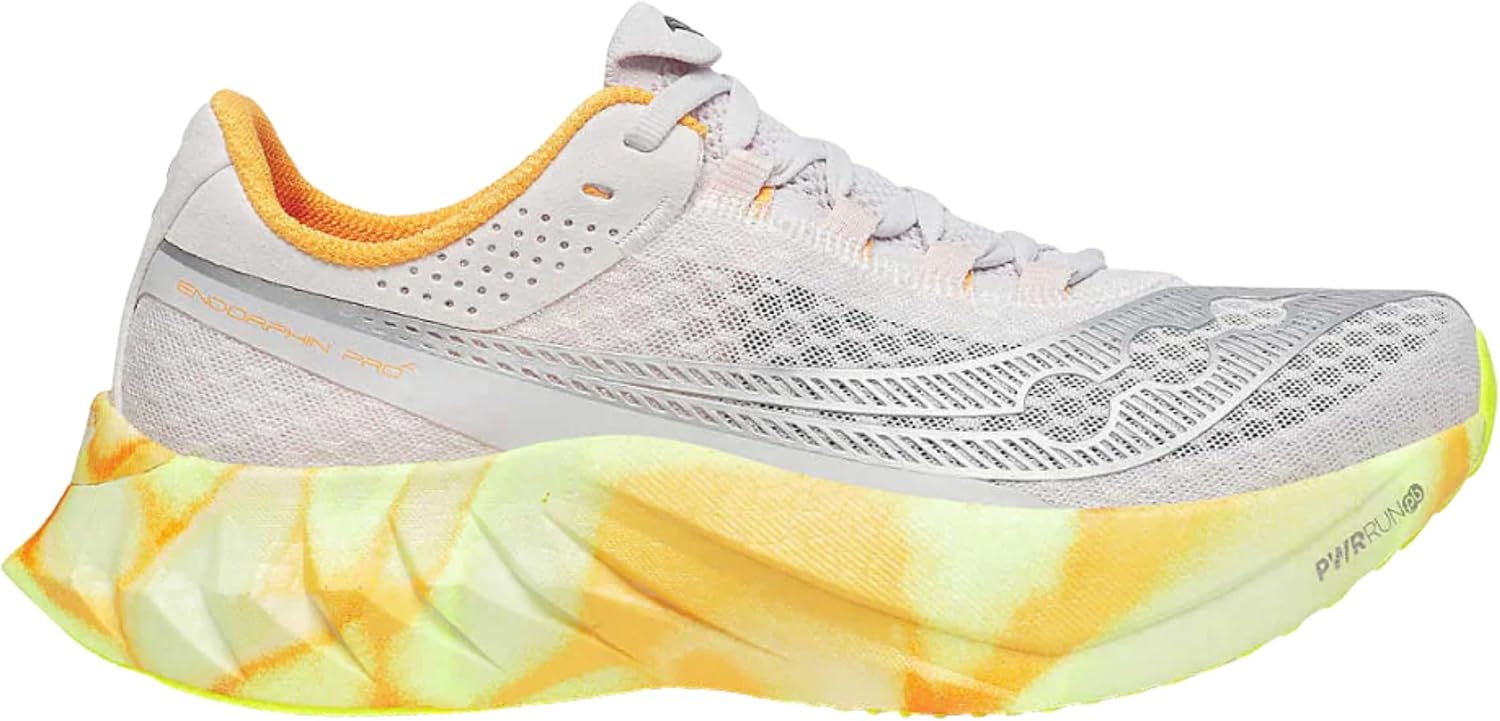
Check price on AmazonMid-Tier Daily Trainer: The ASICS Gel-Nimbus 26
At approximately $160 and a usable lifespan of 400–500 miles, the Gel-Nimbus 26 produces a CPM of $0.32–$0.40. It offers a more cushioned ride than the Ghost, with ASICS’ FF Blast+ foam providing a softer underfoot feel suited to higher-mileage runners who prioritize comfort on long efforts. The Nimbus is appropriate for runners logging 40–50 miles per week who want a reliable daily trainer with slightly more underfoot protection.
Estimated CPM: $0.32–$0.40
Saucony
$138.09
In stock on Amazon
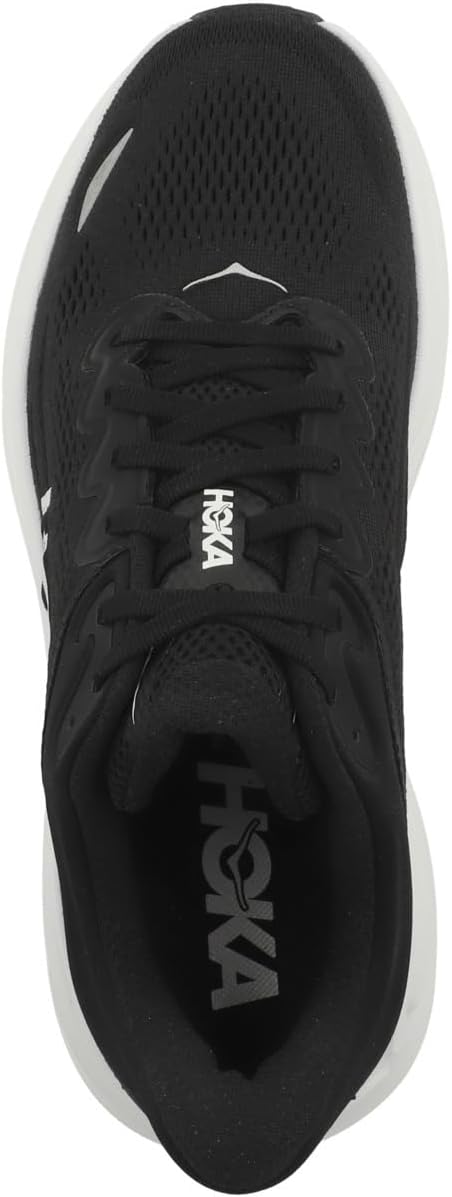
Check price on AmazonPremium Tier: The Carbon-Plated Super Shoe
At $250–$270 and a usable lifespan of 200–300 miles when used appropriately, super shoes like the ASICS Metaspeed Sky+ and On Cloudboom Echo 3 produce a CPM of $0.83–$1.35 — two to four times higher than a daily trainer on raw numbers. The mechanical advantage is real: the carbon plate and PEBA-based foam stack deliver measurable energy return improvements per stride when the shoe is fresh and the runner is generating the stride mechanics required to activate the plate geometry. The CPM math only closes, however, when the shoe is used for its intended purpose: racing and high-intensity quality sessions, not daily training miles.
Estimated CPM: $0.83–$1.35 (race/key-workout use only)
Hoka
$144.12
In stock on Amazon
Check price on AmazonWhy CPM Alone Misleads You
The CPM calculation above treats all miles as equal. They aren’t.
A 10-minute easy recovery mile and a 6:30-per-mile marathon race mile are not interchangeable units of shoe stress or athletic output. The more honest question isn’t “what does each mile cost?” — it’s “what are you buying each mile for?”
RunRepeat’s 2025 aggregated analysis of running shoe price and performance data found a consistent pattern: runners who use super shoes exclusively for race days and threshold workouts — the sessions that most directly determine race outcomes — report a qualitatively different experience than those who rotate them into general training. The performance benefit cited in running economy research, often in the range of 2–4% improvement per stride, only materializes when the shoe’s foam is fresh and the runner is generating the stride mechanics that activate the plate. At mile 250 of a 300-mile lifespan, those margins are eroding.
This is the strategic reframe: a super shoe’s CPM math only makes sense if you’re actually racing enough — and racing at a level where 2–4% matters. Outside Online’s 2025 feature on the real cost of racing shoes addresses this directly: the absolute time benefit of a carbon super shoe scales with pace. A runner finishing a 5K at a fast pace loses significantly more race-day time without a super shoe than a runner finishing at a slower pace, because the energy-return mechanics of the plate are optimized for shorter ground contact times and higher stride frequencies. The value proposition scales with how seriously you’re competing and how fast you’re moving.
The Rotation Logic: How Practitioners Actually Spend the Money
The runners for whom super shoes pencil out aren’t using one shoe for everything. They’re running a deliberate multi-shoe rotation — and the economics of that rotation are what make the math work.
Here’s a practical rotation structure that Podium Runner’s 2024 carbon shoe rotation feature and consistent practitioner reporting have converged on:
Daily trainer (70–80% of miles): A shoe like the Brooks Ghost ($140), New Balance Fresh Foam 1080 ($165), or ASICS Gel-Kayano ($160) absorbs the bulk of your weekly mileage. You’ll replace it every 400–450 miles. At 40 miles per week, that’s roughly every 10–11 weeks — three to four pairs per year if you’re training heavily. CPM stays in the $0.31–$0.40 range.
Tempo and uptempo trainer (15–20% of miles): A lightweight, non-plated trainer or plated trainer — the Nike Pegasus Premium, ASICS Superblast, or New Balance SC Trainer — for threshold work and race-pace runs. These typically run $150–$200 and last 300–400 miles if used selectively. This tier is optional for early intermediates and nearly mandatory for anyone targeting a marathon personal best.
Super shoe (5–10% of miles): Reserved for races and the occasional quality session where you’re specifically simulating race conditions. At 10 miles per week of super shoe use — roughly two key workouts monthly, plus your A-races — a 200-mile lifespan gets you 20 weeks, or one full training cycle. The $250–$270 price tag for one training block is meaningful but bounded.
Under this model, the super shoe’s annual cost is roughly $500–$540 (two pairs per year if you’re doing two major race cycles). Your daily trainer costs run $420–$560 depending on how many miles you log. The combined annual shoe budget for a serious intermediate runner targeting two marathons sits around $900–$1,100 — which sounds like a lot until you model what happens without the rotation.
The runner who uses one shoe for everything — a $150 trainer — cycles through it in 16–20 weeks of moderate-to-high training. They spend $450–$550 on trainers annually, arrive at their A-race in a shoe that isn’t purpose-built for performance, and leave time on the course that the right gear could have recovered. The “cheap” approach costs almost as much and delivers less at the finish line.
When the Super Shoe Doesn’t Pay Off
Transparency demands the other side of this argument, and it’s real.
If you’re racing infrequently or at longer finish times: Outside Online’s 2025 racing shoe cost analysis and the broader running economy research base both point in the same direction — the energy-return benefit of a carbon plate is harder to access at slower paces where ground contact time is longer and stride mechanics differ from the patterns the plates were engineered for. Runners finishing marathons in five hours or more consistently report that fit, cushioning, and reliability matter far more to their race-day experience than plate geometry. A well-cushioned trainer worn fresh on race morning is likely the better choice.
If you’re injury-prone or building a base: Super shoes are not protective shoes. Their minimal outsole rubber, aggressive geometry, and high stack heights create proprioceptive and stability challenges that runners with a history of ankle issues or those in early base-building phases don’t need. RunRepeat’s aggregated shoe review data consistently shows higher incidence of new-location discomfort among runners transitioning into super shoes without an adequate adaptation period.
If you’d only own one pair: The CPM math on a super shoe used as your only shoe is punishing. At 40 miles per week and a 250-mile lifespan, you’re replacing a $260 shoe every six weeks. That’s over $2,200 annually — nearly five times what a single daily trainer costs per year. This is not the intended use case, but runners make this mistake more often than the industry acknowledges.
The Decision Rule
Here’s the if/then framework for deciding whether the math works for you:
If you’re racing two or more goal events per year, training at paces where a 2–4% economy improvement translates to meaningful time — roughly sub-5:00 marathon pace or faster — and you’re willing to commit to a two- or three-shoe rotation: a super shoe pencils out. Buy one pair per race cycle, protect the mileage, and let the trainer do the daily work.
If you’re running your first or second half or full marathon, finishing in the mid-to-back-of-pack, primarily focused on completion and building fitness: a workhorse trainer is the right primary investment. The Brooks Ghost, ASICS Gel-Kayano, or New Balance 1080 will serve your race day as well as it serves your training — and the CPM math is straightforwardly in your favor.
If you’re somewhere in between — a 3:30–4:00 marathon runner training consistently and targeting a PR — the super shoe pays off if you protect the mileage. Don’t let it become a tempo shoe. Don’t wear it on recovery days. Don’t buy it three weeks before a race and expect to adapt in time. Treat it as a precision instrument, not a premium trainer, and the math closes.
The gear-obsessed runner’s instinct to optimize every variable is correct. The optimization just needs to start with an honest mileage log and a clear-eyed answer to what you’re actually racing for.