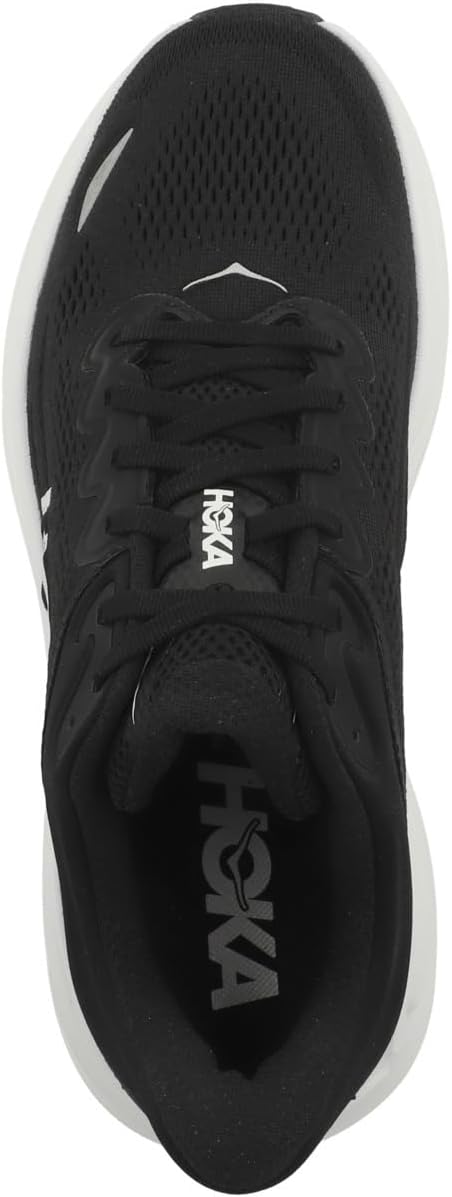
If you’ve ever finished a long day on your feet and felt that deep, grinding ache in your heel, arch, or the ball of your foot, you already understand the problem these shoes are trying to solve. Max-cushion shoes — a category defined by an unusually thick midsole (the foam layer between your foot and the ground, typically 35–45mm of stack height versus a standard 25–30mm) — promise to absorb more impact with every step. They were originally built for ultramarathon runners covering hundred-mile races, but a significant slice of the people actually buying them today aren’t ultrarunners at all. They’re nurses, warehouse workers, theme-park employees, retirees logging daily walks, and recreational runners managing chronic foot pain. This guide looks at what conditions real owners of the three most-purchased max-cushion shoes — the Hoka Bondi 9, Brooks Ghost Max 3, and ASICS Gel-Nimbus 27 — are actually treating, what they report back, and how to decide which one fits your specific situation.
| EDITOR'S PICKHoka Womens Bondi 9 8.5 Black/W… | Mid-tierHoka Men's Bondi 9 9.5 Black/Wh… | Budget pickASICS Women's Gel-Nimbus 27 Run… | |
|---|---|---|---|
| Gender | Women | Men | Women |
| Size | 8.5 | 9.5 | 8 |
| Color | Black/White | Black/White | Lake Grey/White Sage |
| Price | $167.95 | $144.12 | $109.95 |
| See on Amazon → | See on Amazon → | See on Amazon → |
The Conditions Driving Max-Cushion Purchases (It’s Not Pace)
The clearest pattern in aggregated owner reviews across RunRepeat’s review corpus and the Runner’s World shoe archive is this: buyers in this category are overwhelmingly choosing shoes based on pain management, not performance targets. Pace goals barely appear. Podiatrist referrals appear constantly.
Here are the most commonly cited conditions across owner reviews for all three shoes:
By the numbers — reported conditions in owner reviews:
- Plantar fasciitis (heel and arch pain): most frequently cited across all three models
- Morton’s neuroma (nerve compression between the third and fourth toes): prominent in Ghost Max 3 and Bondi 9 reviews
- Hammertoe (toe joints that curl downward): notable cluster in Bondi 9 reviews
- High arches with associated lateral instability: most frequently in Gel-Nimbus 27 reviews
- Post-surgical recovery and general arthritis: appears across all three, especially Nimbus 27
That last category — people recovering from surgeries or managing arthritis — signals something important: these shoes are frequently functioning as medical-adjacent purchases, not athletic gear. The Running Clinic’s evidence overview on cushioning and plantar fasciitis load management notes that while no shoe eliminates the root cause of plantar fasciitis, reducing peak impact force per step is a meaningful component of symptom management for many patients.
Hoka Bondi 9: The “Professional Necessity” Shoe
The Bondi 9 draws a specific kind of owner who describes the shoe not as a running shoe at all, but as a workplace tool. Nurses, ER techs, and anyone with a 10-hour standing shift appear disproportionately in its review pool, with multiple owners using exact language like “professional necessity.”
The most striking individual report in the RunRepeat corpus: one owner describes walking two 5Ks completely pain-free for the first time after 26 years of hammertoe pain, calling the experience transformative. This is a single owner report, not a clinical finding, and hammertoe severity varies enormously — but it illustrates the intensity of relief some buyers experience. Hammertoe (a deformity where a toe bends abnormally at the middle joint) creates pressure on the top of the toe and across the ball of the foot; the Bondi 9’s rocker geometry (the curved sole that rolls weight forward rather than bending through the toe box) may reduce that pressure point for some people.
The tradeoffs owners name alongside the praise:
- Fit for orthotics is workable but not seamless. The Bondi 9 ships with a fairly thick stock insole, which means if you’re using a custom orthotic insert (a custom-made or over-the-counter arch support your podiatrist or physical therapist may have recommended), you’ll likely need to remove the stock insole first. Owners report doing this successfully, but the fit becomes less snug around the heel when the stock insole is removed.
- The “squishy” factor. Multiple reviewers use this word. For some, it’s the whole point. For others — particularly those who tried the Bondi 9 and switched to the Ghost Max 3 — the sensation underfoot felt too unstable for extended use with orthotics.
- Toe box width. Owners with Morton’s neuroma and hammertoe specifically call out sufficient width in the forefoot as a reason to choose the Bondi 9.
Brooks Ghost Max 3: The Structured Alternative for Orthotic Users
If the Bondi 9 is the choice for people who want maximum softness, the Ghost Max 3 tends to attract buyers who want substantial cushioning but also a firmer, more predictable underfoot feel — particularly those managing plantar fasciitis with high arches and using orthotic inserts.
The phrase “less squishy” appears in multiple owner reviews as a deliberate compliment, not a criticism. One owner describes trying the Hoka Bondi 9 first, finding it too soft for their orthotic to sit stably, and switching to the Ghost Max 3 specifically because the foam compressed more predictably. This is a meaningful functional distinction: a very soft midsole can actually cause a rigid custom orthotic to rock slightly side-to-side with each step, which can reduce its therapeutic benefit.
Two specific owner reports stand out from the RunRepeat corpus:
- A buyer with Morton’s neuroma who credits the Ghost Max 3’s wider toe box for pain-free hours at a zoo — the kind of variable-surface, all-day walking that typically aggravates neuroma symptoms
- A reviewer with plantar fasciitis and high arches (a combination that puts unusual stress on the heel and lateral arch) who describes the Ghost Max 3 as the first shoe in years that let them complete a full day without ibuprofen
The Ghost Max 3’s DNA SuperFoam midsole (Brooks’ high-rebound foam technology) is firmer than Hoka’s CMEVA compound, which explains the orthotic-stability advantage. Podium Runner’s max-cushion category overview notes that firmness-to-stack-height ratio is often more important than stack height alone for orthotic users — and the Ghost Max 3 sits at a firm end of the spectrum for its 32mm heel stack.
The tradeoff: that firmer feel means less of the “walking on clouds” sensation some plantar fasciitis sufferers specifically seek. If you don’t use orthotics and want pure softness, the Ghost Max 3 may feel underwhelming.
ASICS Gel-Nimbus 27: The Podiatrist’s Recommendation Shoe
The ASICS Gel-Nimbus 27 arrives in reviews with a credential the other two rarely match: owners frequently mention that a podiatrist (a foot and ankle specialist physician) specifically recommended this shoe by name. This doesn’t happen often in running shoe reviews, and it’s worth treating as a meaningful signal.
The review corpus points to a few specific populations:
- Older runners with swollen feet. One owner, a 73-year-old, describes the Gel-Nimbus 27 as the most cushioned shoe he’s found for his 6.5-mile morning walks. The forefoot Gel technology (silicone-based impact absorption pockets in the heel and forefoot) has been a signature ASICS feature for decades, and long-term ASICS loyalists trust the predictability of the system.
- Wide feet with swelling. A reviewer specifically notes room for orthotics alongside accommodating width, which is a rare combination. Many wide-foot buyers are navigating both the structural fit challenge and the need to add volume back in with an insert — finding a shoe that does both is genuinely difficult.
- Post-diagnosis buyers. Multiple Nimbus 27 owners describe purchasing immediately after a podiatrist appointment, which suggests the shoe has name recognition in clinical settings that its competitors may not.
The Gel-Nimbus 27 sits at the premium end of the max-cushion category. Runner’s World’s coverage of the Nimbus 27 consistently positions it as a ride that prioritizes comfort and longevity over propulsive energy return — it’s not a shoe you choose for tempo work, but that’s not the point for most of its buyers.
Frequently Asked Questions
Can the Hoka Bondi 9 accommodate custom orthotic inserts? Yes, but with a caveat. The stock insole is thick and must typically be removed before inserting a custom orthotic. Most owners report doing this without issue, though a small number note the heel fit becomes slightly less snug without the stock insole. If your orthotic is particularly rigid, the soft Bondi midsole may allow minor lateral movement — in that case, the Ghost Max 3’s firmer base may actually serve your orthotic better.
What is the difference between the Bondi 9 and the Brooks Ghost Max 3 for plantar fasciitis? Both offer substantial cushioning, but the feel is meaningfully different. The Bondi 9 prioritizes maximum softness and a rocker-sole geometry that reduces heel strike intensity. The Ghost Max 3 offers a firmer, more structured platform that tends to suit people using orthotics or those who find very soft shoes feel unstable. If you’re treating plantar fasciitis without orthotics and want the most pillowy feel, the Bondi 9 has the edge. If you’re using a custom insert or have high arches, the Ghost Max 3’s firmer base is a real advantage.
Are the ASICS Gel-Nimbus 27 worth the price over less expensive cushioned shoes? For buyers who are managing genuine foot conditions — and especially those following a podiatrist’s recommendation — owners consistently report the price is justified by durability and consistent foam performance over time. The recurring theme in reviews is that cheaper max-cushion shoes lose their cushioning faster, meaning you pay less upfront but replace them more often. The Running Clinic’s cushioning overview supports the general principle that foam compression over time reduces protection, which makes outsole longevity a real medical consideration, not just a gear preference.
Which max-cushion shoe works best for nurses or people on their feet all day? The Bondi 9 is mentioned most frequently by nurses and healthcare workers in owner reviews. The combination of maximum softness, rocker sole, and sufficient toe box width makes it the default recommendation for extended standing and walking. The Ghost Max 3 is a strong alternative for healthcare workers using orthotics who need a more stable base.
Do any of these shoes have a wide enough toe box for Morton’s neuroma or hammertoe? The Bondi 9 and Ghost Max 3 both receive specific callouts for forefoot width from owners with Morton’s neuroma. The Bondi 9 also collects hammertoe mentions. All three models are available in wide widths. If toe box width is your primary concern, the Bondi 9 is the most consistently praised in this specific context.
How long do the outsoles on max-cushion shoes actually last compared to cheaper options? Owners across all three models cite durability as a secondary justification for the price. The consensus pattern in RunRepeat review aggregation: the rubber outsoles on the Bondi 9, Ghost Max 3, and Gel-Nimbus 27 outlast budget cushioned shoes significantly, with most owners reporting 400–500 miles before meaningful outsole wear — consistent with the 300–500 mile lifespan cited in Podium Runner’s category overview. Cheaper alternatives tend to compress faster in the midsole foam even when the outsole looks intact, which matters for people managing pain, because compressed foam provides less protection regardless of how the sole looks visually.
The Decision Rule
Here’s how to read the tradeoffs:
- If you have hammertoe or Morton’s neuroma and no orthotic: The Bondi 9’s wide toe box and soft rocker profile is where owners with these conditions consistently land.
- If you have plantar fasciitis and use a custom orthotic: The Ghost Max 3’s firmer midsole gives your insert a stable base. This is the one multiple reviewers chose after trying something softer first.
- If you have high arches, wide feet with swelling, or a podiatrist referral: The Gel-Nimbus 27 is the most clinically-adjacent choice in this group, with the strongest signal of professional recommendation in the owner review pool.
- If you’re a healthcare worker who stands all day and just wants the most forgiving shoe available: Start with the Bondi 9. It’s the shoe owners in that situation describe as a necessity, not a luxury.
None of these shoes are a substitute for a podiatrist evaluation if your pain is new, worsening, or post-injury. But for the large number of buyers in this category who already know their diagnosis and are refining which shoe best supports it — that’s exactly the decision framework these owner reports are built to inform.