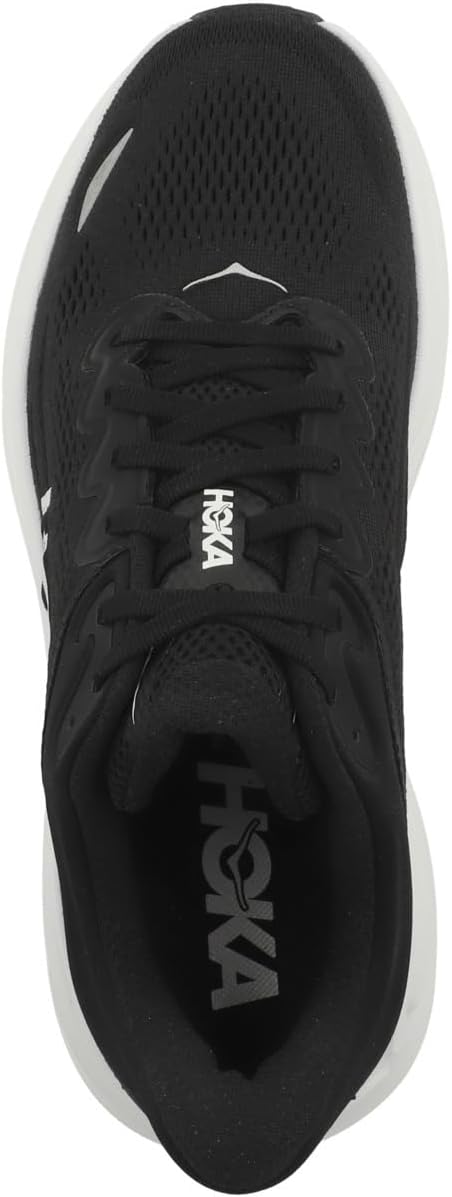
If you’ve been shopping for running shoes lately, you’ve probably seen phrases like “40mm stack” or “max cushion platform” on the product pages. Stack height — the total thickness of foam between the bottom of your foot and the ground — has become one of the most-discussed numbers in running footwear. The higher that number, the more foam the shoe is built on. A traditional daily trainer typically runs 28–33mm at the heel. A max-cushion shoe pushes past 36mm, with some platforms hitting 40–45mm. The promise is simple: more foam means less cumulative stress on your legs over a 20-mile training week. The reality is a bit more nuanced — and that’s exactly what this guide unpacks. By the end, you’ll know what stack height actually does, when more cushion genuinely helps, and which shoes are worth the money at each price point.
What Stack Height Actually Does (and Doesn’t Do)
Stack height is measured in millimeters at the heel and, separately, at the forefoot. Most spec sheets will list both: something like “heel 40mm / forefoot 32mm.” The difference between those two numbers is called the heel-to-toe drop — in this example, 8mm. A shoe can have massive stack height and still have a relatively traditional drop, which matters because drop affects your footstrike mechanics independently of how plush the ride feels.
Here’s where intermediate runners sometimes trip up: more foam does not automatically mean more protection from injury. The Running Clinic’s footwear and loading-rate research notes that very soft, high-stack midsoles can actually increase peak loading in some runners by slowing sensory feedback from the ground — a phenomenon sometimes called “cushioning paradox.” Your nervous system uses ground-feel to self-regulate impact. Pile on too much foam and some runners unconsciously increase their contact force to compensate.
That said, the research is not a referendum against max cushion. It’s context-dependent. For most runners using these shoes in the right scenarios — long easy runs, true recovery days, or back-to-back training days where cumulative fatigue is the enemy — the mechanical benefits of prolonged cushioning are real and well-supported. Podium Runner’s analysis of stack height in training contexts consistently concludes that high-stack shoes reduce perceived effort on easy-pace miles, which translates to better adherence to easy-day pacing — one of the most underrated training variables there is.
The key word is “easy.” Max-cushion shoes are built for controlled paces. The foam compounds used to hit those heights (typically EVA-based or blown TPU foams at high volume) prioritize plushness over energy return. When you push the pace, that compliance becomes a liability — the foam compresses and doesn’t spring back fast enough to assist propulsion. That’s why nobody races in a Hoka Bondi.
The Numbers That Actually Matter on the Spec Sheet
Before comparing models, here’s a quick reference on the ranges you’ll encounter:
| Category | Heel Stack | Typical Drop | Example |
|---|---|---|---|
| Standard daily trainer | 28–33mm | 8–12mm | Brooks Ghost 14 |
| Cushioned daily trainer | 33–37mm | 6–10mm | New Balance Fresh Foam 1080 |
| Max cushion | 37–45mm+ | 4–10mm | Hoka Bondi 9, ASICS Gel-Nimbus 26 |
| Carbon race plate | 35–40mm | 4–8mm | ASICS Metaspeed Sky+ |
One number the spec sheet won’t tell you: foam density. Two shoes can both list 40mm stacks and feel completely different underfoot because one uses a denser, more supportive foam and the other uses a lighter, softer compound. RunRepeat’s max cushion mega-review flags this frequently — reviewers across their aggregated data consistently note that the Hoka Bondi line feels noticeably softer than the ASICS Gel-Nimbus at comparable stack heights, even though the raw millimeter numbers are similar. Density matters for both durability and ride character, and it’s only visible in owner reviews, not spec sheets.
When to Reach for a Max-Cushion Shoe (And When Not To)
This is the decision frame most guides skip. Here are the specific training scenarios where max cushion earns its place in your rotation — and the ones where it doesn’t.
Reach for max cushion when:
You’re running your long run at a truly easy pace. If your Sunday 18-miler sits 90+ seconds per mile slower than your marathon goal pace, a high-stack shoe reduces cumulative fatigue without compromising mechanics. Outside Online’s cushioning coverage cites multiple biomechanists who position max-cushion shoes as ideal for “junk-miles prevention” — the kind of long-run erosion that creeps in when your legs are cooked by mile 14.
You’re doing back-to-back training days. Saturday long run followed by Sunday medium-long? That second day is where a plush shoe earns its keep. Owners of the Hoka Bondi 9 and the Brooks Glycerin 22 consistently describe reduced morning-after soreness when rotating these into recovery-day slots.
You’re carrying an injury history involving knees or hips. The Running Clinic’s footwear research notes that runners with a history of patellofemoral pain (runner’s knee) or IT band syndrome often respond well to high-stack, low-drop options that reduce braking forces. This isn’t universal — always loop in a physical therapist — but the pattern in aggregated reviews is consistent.
You’re a heavier runner or logging very high mileage weeks. Runners 185lbs+ and those crossing 60+ miles per week experience higher cumulative load per week simply by the numbers. Runners World’s max cushion roundups have consistently flagged that these populations extract the most objective benefit from plush midsoles.
Skip max cushion when:
You’re doing tempo work, intervals, or race-pace miles. The foam compliance that makes a Bondi feel incredible at 9:30/mile makes it feel sluggish and unstable at 7:00/mile. For anything faster than your easy-day aerobic pace, reach for a trainer with a firmer, more responsive midsole — a shoe like the Saucony Kinvara or Brooks Hyperion better suits that role.
You’re on technical trail. High stack height raises your center of gravity and reduces ground feel, both of which are liabilities on uneven terrain. Trail-specific max-cushion shoes (like the Hoka Speedgoat line) engineer around this with wider platforms and aggressive outsoles, but a road-oriented Bondi on singletrack is a sprained ankle waiting to happen.
You’re a biomechanically efficient forefoot striker with no injury history. If your mechanics are dialed and you’re not experiencing fatigue issues, the added weight and softness of a max-cushion shoe may actively subtract from your easy days rather than adding to them. More foam is not always better foam.
Which Shoes Are Worth Considering Right Now
The market in mid-2026 has matured considerably from the early max-cushion wave. Here are the tiers worth knowing:
The Workhorse: Hoka Bondi 9 (~$165)
The Bondi is the category benchmark, full stop. Spec sheets list a 40mm heel / 35mm forefoot stack with a 5mm drop — unusually low drop for a high-stack shoe, which contributes to its distinctive rolling geometry. Across aggregated owner reviews on RunRepeat and in Runners World’s 2025 roundups, the pattern is unanimous: exceptional comfort on easy and long runs, poor responsiveness at tempo pace, and durability that holds up to 400–500 miles. The wide base version (Bondi 9 Wide) has a devoted following among runners with wider forefeet who found older versions too constraining. If you’re building your first max-cushion rotation slot and want the most proven option at a reasonable price, this is the default recommendation.
The Premium Daily: ASICS Gel-Nimbus 26 (~$160)
ASICS’s Nimbus line uses FF Blast+ Eco foam at high volume and adds the Gel insert at the heel — a combination that owners describe as “plush but controlled” compared to the Bondi’s “sink-into-it” softness. Spec sheets show 41.5mm heel / 31.5mm forefoot, giving it a 10mm drop — notably higher than Hoka’s typical geometry, making it a better transition for runners coming from traditional trainers. Runners World reviewers consistently note that the Nimbus rides slightly firmer than the Bondi, which some runners prefer for longer efforts where excessive softness creates late-run instability.
The Versatile Middle Ground: Brooks Glycerin 22 (~$165)
The Glycerin sits at the intersection of max cushion and daily trainer — high enough stack (39mm heel) to qualify as a plush long-run shoe, but firm enough underfoot that owners report using it for moderate-pace easy days without feeling penalized. If your easy days occasionally drift into “moderate” territory, the Glycerin handles that range better than pure max-cushion options. Brooks’s DNA Loft v3 foam receives consistent praise in aggregated reviews for durability outlasting competitors at comparable price points.
The Budget Entry: New Balance Fresh Foam X 1080v14 (~$165)
At similar price to the others, the 1080 has long been the softer-foam alternative with a devoted following. Spec sheets put it at 37mm heel / 27mm forefoot — slightly lower stack than the Bondi, but Fresh Foam’s softer compound makes the ride feel comparable in practice. Owner reviews on RunRepeat flag the upper construction as one of the most comfortable in the category, making this the frequent recommendation for runners whose primary complaint on long runs is foot hotspots or lacing pressure.
The Decision Rule
Here’s the if/then framework that should govern your buying decision:
If your training plan includes a distinct “easy day” or “long run” designation at 60+ seconds slower than goal pace, and you’re running 40+ miles per week — a max-cushion shoe belongs in your rotation. The Bondi 9 is the default. If you run with a higher heel drop preference or want firmer feel, the Gel-Nimbus 26 is the better fit.
If you’re under 40 miles per week or your “easy” days still drift fast — a cushioned daily trainer (Fresh Foam 1080, Brooks Glycerin) covers your needs without the downsides of extreme softness. You’re not leaving recovery on the table; you’re just not yet in the load zone where the tradeoffs favor a dedicated max-cushion slot.
If you’re a trail runner or ultra athlete — the road-max-cushion category is mostly irrelevant. Look at the Hoka Speedgoat 6 or Tecton X2 for your long-effort footwear, which are engineered for the instability and outsole demands that road-optimized max cushion cannot handle.
The foam arms race has produced genuinely excellent shoes at every price point. The mistake isn’t buying one — it’s expecting it to do everything. Slot a max-cushion shoe correctly into your rotation and it quietly becomes one of your best training investments. Ask it to do more than that, and it’ll let you know.