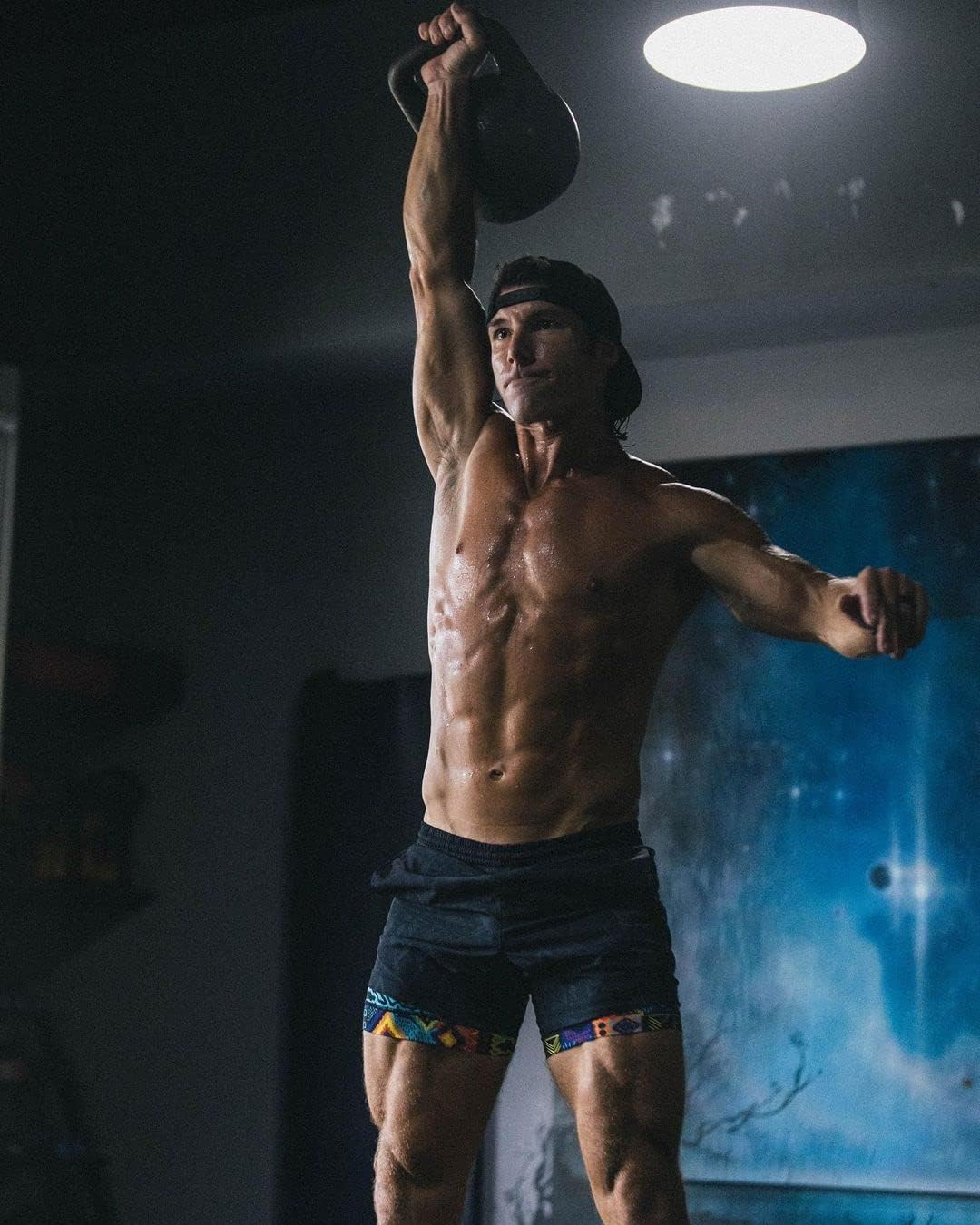
Pick up any pair of running shorts and you’ll notice one of two things when you flip them inside out: either a soft mesh pocket sewn into the lining — that’s the built-in liner, essentially a lightweight brief attached to the short itself — or nothing but bare fabric. That difference sounds minor. It isn’t. Across thousands of buyer reviews, the single most common source of post-purchase regret in running shorts is getting this choice wrong. Someone buys an unlined short expecting the liner to be there, wears it once, and either chafes badly or realizes they need a separate compression layer underneath. Someone else buys a 2-in-1 lined short and finds the liner too constricting for long efforts. Neither problem is hard to avoid — but you have to know what you’re buying before it ships.
This guide lays out the real tradeoffs, names the patterns reviewers keep surfacing, and ends with a clean decision rule so you can stop second-guessing your cart.
The Liner vs. No-Liner Decision Is Actually Three Separate Questions
Before you pick a side, it helps to reframe the question. “Should I buy lined or unlined?” is really three decisions stacked on top of each other:
- Do you want built-in support, or do you prefer to control your underlayer separately?
- What distances and conditions are you training for?
- Do you already own compression shorts or briefs — and are you willing to layer them every run?
Runners who train for half-marathons and marathons tend to have a clear preference by their second season. But first-time buyers and athletes switching brands often don’t realize how much liner design varies — not just liner-present versus liner-absent, but what kind of liner and how it’s constructed.
What “2-in-1” Actually Means
The term 2-in-1 running short refers to a short that combines an outer shell (usually a woven or knit performance fabric) with an inner liner — effectively giving you two garments in one. The liner is sewn in and moves with the outer shell.
The critical thing reviewers of the maamgic 2-in-1 shorts keep flagging is that the liner’s value comes specifically from not being a tight compression layer. Owners describe it as a soft, slightly stretchy brief that gives enough support for going commando (wearing no underwear underneath) without the squeeze of true compression. That stretch-on-stretch relationship — outer shell and liner both giving slightly — is what earns consistent praise in long-haul reviews. A stiff liner against a forgiving shell creates bunching. Both layers moving together don’t.
This matters because a lot of buyers assume all liners are created equal. They’re not. Thin mesh, compression-grade elastic, and soft brief-style liners all behave differently at mile 18.
What “Unlined” Actually Means (and What Buyers Miss)
An unlined short has no inner layer at all. That’s not inherently a problem — but it is a problem if you don’t know it going in.
The Gaglg unlined shorts have become a useful case study here. A recurring complaint in their reviews is buyer surprise: reviewers explicitly note the product isn’t usable for running without compression shorts underneath, and they flag it as a con, not just a preference. One reviewer even docked stars because they expected a liner based on how the product was marketed. That’s not a product failure — the shorts are functional — but it’s a genuine sourcing failure that costs buyers time, money, and one uncomfortable run.
The takeaway: if a product listing doesn’t clearly show the liner in photos or explicitly call it out in the bullet points, assume it’s unlined and plan accordingly.
Length, Fit, and the Details Buyers Notice Over Time
Inseam Length: The Hot-Weather Variable
The question of what length short is best for hot-weather training comes up constantly, and the honest answer is that shorter inseams (5-inch or less) give you more airflow, while 7-inch inseams offer more coverage and less inner-thigh friction — which matters for runners who experience chafing on longer efforts.
Runner’s World’s gear guide notes that 5-inch inseams have become the dominant choice among road runners training in warm conditions, largely because the shorter cut eliminates fabric bunching around the hip. Outside Online’s apparel coverage echoes this, pointing out that runners with larger thighs often find 5-inch shorts ride up and create friction that a 7-inch cut avoids entirely.
So “shorter is better in heat” is only half true. The better frame: shorter is better for airflow; longer is better for preventing thigh chafing. Know which problem you’re more likely to face.
Are 7-inch inseams too long for running? No — but they feel different than 5-inch cuts, and they require a liner or underlayer that prevents inner-seam friction. Unlined 7-inch shorts with no underlayer are where chafing complaints cluster.
The Waistband Problem
Waistband rolldown is one of those issues that sounds trivial until it happens to you mid-race and you’re reaching down every quarter mile. It’s almost always a fit issue, not a product defect: the waistband is rolling because the short’s rise doesn’t match your torso geometry, or because the drawcord has been cinched in a way that creates a pressure imbalance.
Podium Runner’s apparel fit guide points to a few fixes that actually work:
- Use the drawcord, don’t just rely on the elastic. Many runners skip the drawcord entirely and let the elastic do all the work. Tying the cord snug but flat keeps the waistband from folding.
- Go up a size if you’re between sizes. A waistband that’s even slightly too snug will roll outward. Sizing up one and relying on the drawcord to cinch gives the waistband room to lie flat.
- Check whether the waistband has silicone grip tape on the interior. Premium shorts often have a thin rubber strip inside the waistband that grabs your skin or baselayer. Budget options skip this detail, and it’s a real durability-of-experience difference.
Zipper Quality: A Longer-Term Problem Than It Looks
The CANGHPGIN 7-inch shorts get docked in reviews for non-YKK zipper quality, and it’s worth taking that seriously. YKK is the industry-standard zipper manufacturer — the name is stamped on the zipper pull, and it signals that the hardware was sourced from a supplier with consistent tolerances. Non-YKK zippers on running shorts aren’t automatically bad, but they’re more likely to snag, fail, or corrode with sweat exposure over a training season.
RunRepeat’s aggregated review analysis of budget running shorts finds that zipper failure is cited in a disproportionate share of one- and two-star reviews, and it almost always appears after 60–90 days of regular use rather than immediately. Which means you’ll miss it if you only test at delivery.
The practical implication: if you’re buying shorts with a key pocket or media pocket that you actually plan to use on every run, zipper quality is not a vanity concern. It’s a durability concern that compounds over a 20-week training block.
By the Numbers
| Inseam Length | Best For | Liner Recommendation |
|---|---|---|
| 3–4 inch | Speed work, track, hot races | Liner essential — minimal coverage |
| 5 inch | Daily training, most road runners | Liner preferred; unlined workable with brief |
| 7 inch | Long runs, ultras, chafe prevention | Liner or compression underlayer required |
Who Goes Unlined — and When It Actually Works
The argument for unlined shorts isn’t that they’re better; it’s that they give you control over your underlayer. And for some runners, that matters.
MIER 5-inch reviewers include ultramarathon runners who call these their go-to for long-distance training — and that makes sense when you understand the logic. Ultra runners often have strong opinions about their compression layer. They want to choose the specific brief or compression short that matches their body geometry, doesn’t create hot spots, and can be changed or rotated independently. An unlined short lets them pair their preferred underlayer without being locked into whatever brief the manufacturer stitched in.
The Under Armour Launch 5-inch takes a slightly different path: reviewers praise it for looking “put together” across multiple uses — running, gym training, light mountain biking. That crossover utility works specifically because the short has a cleaner exterior profile that doesn’t scream “running gear” in a gym or on a trail. Multi-sport athletes who want one short that functions across contexts tend to gravitate toward options like this.
The common thread: unlined shorts work well when the buyer knows they need them and has already solved the underlayer equation. They don’t work when the buyer assumed a liner would be there.
The Decision Rule
If you’re still not sure which way to go, here’s the clean if/then frame:
- If you run in just the short with no underlayer — get a lined short, full stop. Look explicitly for “2-in-1” in the product name or a liner in the product photos. Check that the liner is described as soft/brief-style rather than compression-grade if you’re going long.
- If you already own compression shorts or performance briefs you love — unlined is fine, and may give you better temperature control in summer. Make sure the waistband has a functional drawcord and check zipper reviews if there’s a key pocket.
- If you’re training for a marathon or ultra in summer heat — a 5-inch lined short gives you the most flexibility. The liner handles support; the shorter inseam handles airflow. The MIER 5-inch or maamgic 2-in-1 categories are worth serious consideration.
- If you’re buying budget shorts for the first time — lined is the safer default. You can always add underlayers; you can’t add a liner that isn’t there.
Frequently Asked Questions
Do the Gaglg running shorts have a built-in liner? No. Based on buyer reviews and product descriptions, the Gaglg shorts are unlined. Multiple reviewers note this as a surprise and flag it explicitly — so if you’re buying these, plan to wear compression shorts or a brief underneath.
Can I wear the maamgic 2-in-1 shorts without underwear? Yes — that’s the design intent. Reviewers consistently describe the liner as soft enough and supportive enough to wear commando, which is the main appeal of a true 2-in-1 construction.
What length running short is best for hot-weather training? A 5-inch inseam offers the best balance for most runners: enough airflow for heat management, and enough coverage to stay put during a stride. Runners with larger thighs or chafe concerns may prefer a 7-inch cut with a good liner.
Are 7-inch inseam shorts too long for running? Not inherently — but they require more attention to liner or underlayer choice. Unlined 7-inch shorts without a compression layer underneath are the most common setup for chafing complaints.
How do I stop my running shorts waistband from rolling down? Tie the drawcord snug and flat, consider sizing up if you’re between sizes, and look for shorts with silicone grip tape on the interior waistband. Most rolling issues are fit problems, not product defects.
Is zipper quality in budget running shorts actually a problem over time? Yes — and it tends to show up after two or three months of regular use, not at first wear. Reviewers of the CANGHPGIN 7-inch shorts specifically dock stars for non-YKK zipper construction. If you use the key pocket on every run, it’s worth paying attention to zipper specs or reading long-term reviews before buying.