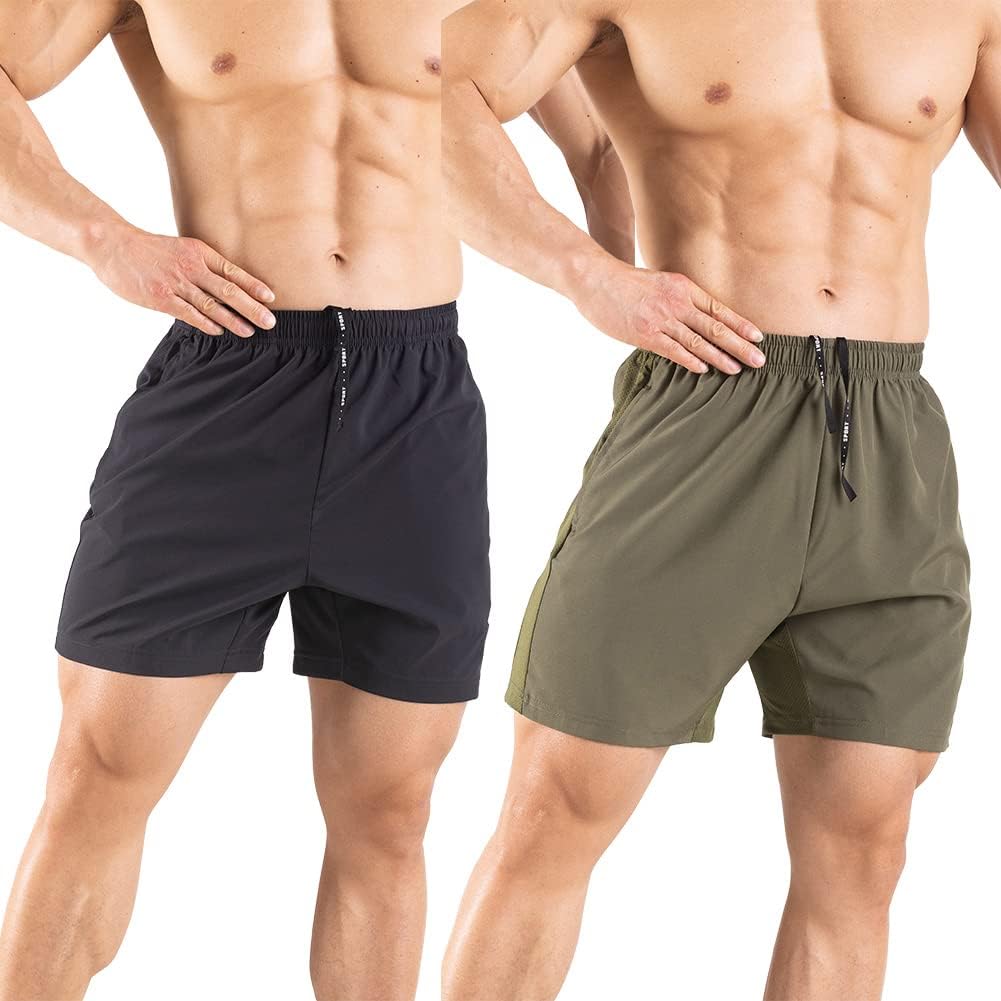
Here’s a frustrating shopping moment almost every male runner has lived through: you find a pair of shorts that looks right, the price is fair, the reviews mention quick-dry fabric and a snug waistband — so you click buy. They arrive, you pull them on for your first run, and somewhere around mile two you realize there’s no liner. No built-in brief underneath. Just the outer shell and a whole lot of friction you weren’t planning on. A liner, in running shorts, is the thin inner brief sewn into the waistband — it replaces the need for separate underwear, reduces chafing (skin irritation from fabric rubbing skin over distance), and is standard on performance running shorts but absent on a surprising number of athletic shorts that market themselves the same way. One reviewer of the Gaglg shorts put it plainly in their notes: the shorts have no liner, separate compression shorts are required for running, and that fact was not clear before purchase. They flagged it as a genuine con. It is not a minor detail. It is the question.
This guide exists to answer that question clearly, then go several layers deeper — into liner styles, inseam lengths, pocket logic, and which shorts actual runners (not gym-goers) have validated over months of real mileage.
Why Liner Discovery Is the Number-One Men’s Running Shorts Problem
Ask anyone who has searched “men’s running shorts with liner” and you’ll get the same story. One reviewer in the maamgic 2-in-1 shorts thread joked that finding lined options is “shocking at how difficult that is” — and they meant it as a genuine complaint, not hyperbole. Product pages regularly bury liner information in a single bullet point, use ambiguous language like “inner brief” or “compression lining” without explaining what that means, or simply omit it entirely.
The core confusion comes from the marketplace itself. Athletic shorts and running shorts are often listed side by side. Both can be lightweight, moisture-wicking, and styled similarly. The difference is that true running shorts are designed for forward-motion biomechanics — they have split hems or wide leg openings for stride clearance, a liner to eliminate underwear friction, and sometimes minimal seams to prevent hot-spot rubbing on long efforts. Athletic shorts are built for the gym floor, where you’re doing lateral movements and don’t need a built-in brief because you’re wearing something underneath.
How to confirm liner status before buying:
- Search the product listing for the words “brief liner,” “built-in brief,” or “2-in-1”
- Check the size chart page — liner information is sometimes buried there when it’s absent from the main description
- Look at reviewer photos, not just brand photos — reviewers often show interior construction
- Filter by “2-in-1” in search terms; this almost always signals a liner is present
Runner’s World’s best running shorts guide consistently notes that the “2-in-1” label is the most reliable signal for liner inclusion, though the publication acknowledges that some performance shorts labeled simply as “running shorts” include liners without using that specific term.
Brief-Style vs. Compression-Style Liners: What’s the Actual Difference?
Once you’ve confirmed a liner exists, the next question is what kind — and this matters more than most product pages let on.
Brief-style liners are cut like traditional underwear briefs. They sit high on the thigh, cover the essentials, and move with the outer shell. They’re light, breathable, and add almost no weight. Most 5-inch inseam running shorts use brief-style liners. The tradeoff: on longer runs (half-marathon distance and beyond), some runners experience inner-thigh chafing where the liner’s leg hem meets skin, especially in heat or humidity.
Compression-style liners are essentially a shorter version of compression shorts — they extend several inches down the thigh, apply light graduated pressure, and keep everything in place mechanically. They add slightly more warmth and a little more weight, but for ultramarathon distances and hot-weather long runs, runners who’ve used them tend to report dramatically less chafing. The MIER shorts, which have earned a strong following among long-distance runners, are consistently praised in aggregated reviews at RunRepeat for their lightweight fabric and quick-dry properties — an ultramarathon runner who has logged more than a year of use describes them as his primary go-to for long, hot runs, specifically citing liner comfort as a reason he keeps coming back.
A quick comparison:
| Liner Type | Best For | Trade-off |
|---|---|---|
| Brief-style | 5K to 10-mile training runs | Can chafe thighs on very long efforts |
| Compression-style | Half-marathon, marathon, ultras | Slightly warmer; more material |
The Wirecutter’s best running shorts guide draws a similar distinction, noting that compression liners earn higher marks from marathon and ultra-distance testers specifically because of reduced chafing over extended time on feet.
Inseam Length: The 5-Inch vs. 7-Inch Decision
This is where the “it depends” answer is actually useful — because what it depends on is very specific.
5-inch inseam shorts (meaning the fabric from the waistband to the bottom hem on the inner thigh is five inches) are the most common format for road running. They allow full hip extension without fabric pulling against the stride, and the liner sits naturally without bunching. The Under Armour Launch Run 5-inch shorts have a loyal following among runners who’ve previously run in more expensive options like the Brooks Sherpa 5-inch; one reviewer who made the switch specifically called out the snug phone pocket as the feature that sealed the deal — a detail that matters intensely once you’ve lost a phone to a floppy pocket mid-tempo. For road runners building a daily trainer rotation, 5-inch liners are the default-correct choice.
7-inch inseam shorts are more polarizing. The CANGHPGIN 7-inch shorts, which attract buyers actively searching for longer lined options, have reviews noting that they run slightly small in sizing — and when you combine a snug fit with a 7-inch inseam, the resulting feel is closer to athletic shorts than a running short. Several reviewers describe them working well for gym use or casual wear but feeling restrictive during faster paces. Outside Online’s gear selection guide notes that 7-inch inseams suit runners who prefer coverage for comfort reasons (cold weather, sensitivity to thigh exposure) or who are transitioning from gym shorts and want something familiar in fit profile.
The practical rule: if you’re running more than 6 miles regularly, default to 5-inch. If you run in colder conditions, prioritize coverage over stride freedom, or are doing mixed gym-and-run sessions, the 7-inch makes sense — but size up one if reviews suggest the fit runs small.
Pockets: When Zipper Closures Actually Matter
The pocket debate in running shorts breaks down cleanly by run distance and surface.
For road running up to 10K, an open side pocket that fits a key or a folded gel is usually sufficient. The fabric tension in most running shorts holds items reasonably well at moderate speeds. Where this breaks down is anything longer than an hour, any run involving significant elevation change, or any pace work where you’re swinging your arms and generating more lateral motion.
The Under Armour Launch Run’s snug phone pocket — the one that veteran reviewer specifically credited when comparing it to the pricier Brooks option — is a good illustration of why zipper pockets matter: a phone in an open pocket shifts weight with every stride. Over 10 miles, that’s thousands of micro-corrections. A zippered pocket keeps the weight static and centered.
That said, zippered pockets do add a small amount of bulk and can create a slight pressure point against the hip at longer distances. Runners in the ultra and trail community — where carrying more items is non-negotiable — generally prefer zippered options, and reviewers in the MIER long-distance category consistently mention pocket security alongside liner comfort as reasons they return to the same shorts.
Decision rule: If your runs are under an hour and you carry only a key and one gel, open pockets are fine. If you carry a phone, multiple gels, or run more than 90 minutes regularly, prioritize at least one zippered closure.
Which Shorts Are Actually Run In (Not Just Worn to the Gym)
This is a real distinction that aggregated review data surfaces clearly. Shorts marketed to athletic buyers get purchased by a wide audience — some of whom run, some of whom use them for weightlifting, casual wear, or walking. A short that earns praise for “comfort” and “breathability” in gym settings may still fail on a 10-mile run because it wasn’t designed for the specific stress of continuous forward motion.
The clearest signals that a short is validated by actual runners, not just athletic buyers:
- Long-run reviewer language: Phrases like “still comfortable after mile 12,” “no chafing after two hours,” or “held up through a marathon training cycle” indicate running use, not gym use
- Liner-specific praise: Gym users rarely comment on liner quality; runners always do
- Pocket-specific complaints: A runner who lost a gel at mile 8 will say so; a gym user won’t have a reference point
The MIER shorts earn runner validation through exactly this lens — the reviewer who has used them for over a year as an ultramarathon staple is credible precisely because the feedback is specific to heat, distance, and repeated washing. The maamgic 2-in-1 shorts draw buyers who have done active research on lined options and been frustrated by how hard they are to find; that intent signals a running audience, not a casual athletic buyer.
Frequently Asked Questions
How can I tell if men’s running shorts have a built-in liner before buying? Look for the terms “2-in-1,” “built-in brief,” or “inner liner” in the product description. If those terms are absent, check the product image gallery for interior shots, and read reviews specifically for mentions of liner presence or absence. When in doubt, the absence of clear liner language is often itself a signal — brands that include liners almost always say so because it’s a selling point.
Do 5-inch running shorts with liners replace the need for compression shorts underneath? For most runners on most runs, yes. A brief-style liner in a 5-inch short is designed to replace underwear entirely. The exception is runners prone to significant inner-thigh chafing over long distances, who sometimes layer a compression short under the outer shell for added coverage — though this defeats much of the thermal and weight advantage of wearing a single-layer running short.
What is the difference between a brief-style liner and a compression-style liner in running shorts? A brief-style liner covers the essentials with minimal fabric and sits high on the thigh. A compression-style liner extends further down the thigh, applies light pressure, and reduces movement between the liner and skin. Brief liners are lighter and cooler; compression liners are more protective on longer efforts and in heat.
Are zipper pockets necessary for road running, or do open pockets work? Open pockets work fine for short efforts with minimal gear. For runs over an hour, or any run where you’re carrying a phone, zipper pockets are meaningfully better — they prevent gear from shifting and eliminate the distraction of an item working its way out mid-run.
Do 7-inch inseam shorts chafe more or less than 5-inch shorts on long runs? It varies by body type and fit, but reviewers of 7-inch shorts that run small report more thigh restriction, which can increase friction in the fold of the inner thigh. A properly fitted 7-inch short with a good liner can perform comparably to a 5-inch option. The risk is that sizing errors in 7-inch shorts are less forgiving than in 5-inch versions.
Which men’s running shorts are actually used by runners, not just gym-goers? The clearest indicators are long-run and race-specific reviewer language, detailed liner feedback, and pocket-security mentions tied to real distance. The MIER shorts have genuine ultramarathon validation from long-term users. The maamgic 2-in-1 shorts draw buyers who researched lined options specifically — a runner’s purchase pattern. The Under Armour Launch Run has direct comparison reviews from runners who previously used premium-brand alternatives. These are useful anchors when sorting runner-validated options from general athletic wear.