If someone told you a year ago that a Chinese shoe brand you’d never heard of would be sitting in the same conversation as ASICS and Saucony — for race day — you might have raised an eyebrow. Yet here we are. Speed shoes are running shoes built to go fast: they typically feature a stiff carbon-fiber or nylon plate embedded in a thick, bouncy foam midsole. That plate acts like a spring, returning energy with each footstrike so you can sustain faster paces for longer. Until recently, most of the best options cost $250 or more and were designed around the biomechanics of sub-three-hour marathoners. The ASICS Novablast 5, Saucony Endorphin Speed 5, and LI-NING Feidian 6 Elite are different: they’re trying to deliver plated-shoe benefits to runners who run 9:00 miles, race half marathons in 1:50, or just want to feel fast on their local tempo loop without taking out a second mortgage.
This article lays out who each shoe is actually built for, what real owners say after putting in the miles, and the clearest possible “if X, then Y” decision framework so you don’t waste money on the wrong pair.
What “Plated Speed Shoe” Actually Means — and Why It Matters for Recreational Runners
Let’s get one thing straight before comparing specs: not every shoe in this comparison works the same way, and that distinction is the whole ballgame.
A carbon-plated shoe uses a rigid carbon-fiber plate — think the ASICS Metaspeed Sky+ or Nike Vaporfly — to create a stiff, lever-like ride that propels you forward. The tradeoff is that the plate can feel punishing at slower paces and typically requires more miles to adapt to. A nylon-plated shoe, by contrast, uses a more flexible composite plate that’s forgiving enough for everyday training and accessible to runners across a wide pace range. The Saucony Endorphin Speed 5 uses a nylon SpeedRoll plate. The LI-NING Feidian 6 Elite uses a carbon-fiber plate. The ASICS Novablast 5 uses ASICS’s FF BLAST+ ECO foam in a very tall, bouncy stack; its plate configuration functions closer to a propulsive guidance plate than a traditional stiff carbon setup, placing it in a functional middle ground.
Why does this matter for non-elite runners? As Podium Runner’s 2025 speed shoe guide “Speed Shoe Guide: Plated vs. Unplated Trainers” notes, recreational runners — roughly those running 8:00–11:00 minutes per mile — often get more usable benefit from a nylon-plate or softer-carbon setup than from a full race-day carbon slab, because the softer plate complements a stride that doesn’t generate elite levels of ground-reaction force. The “plate ROI” is real, but only when the plate is matched to the runner using it.
The Three Shoes: Head-to-Head Owner Findings
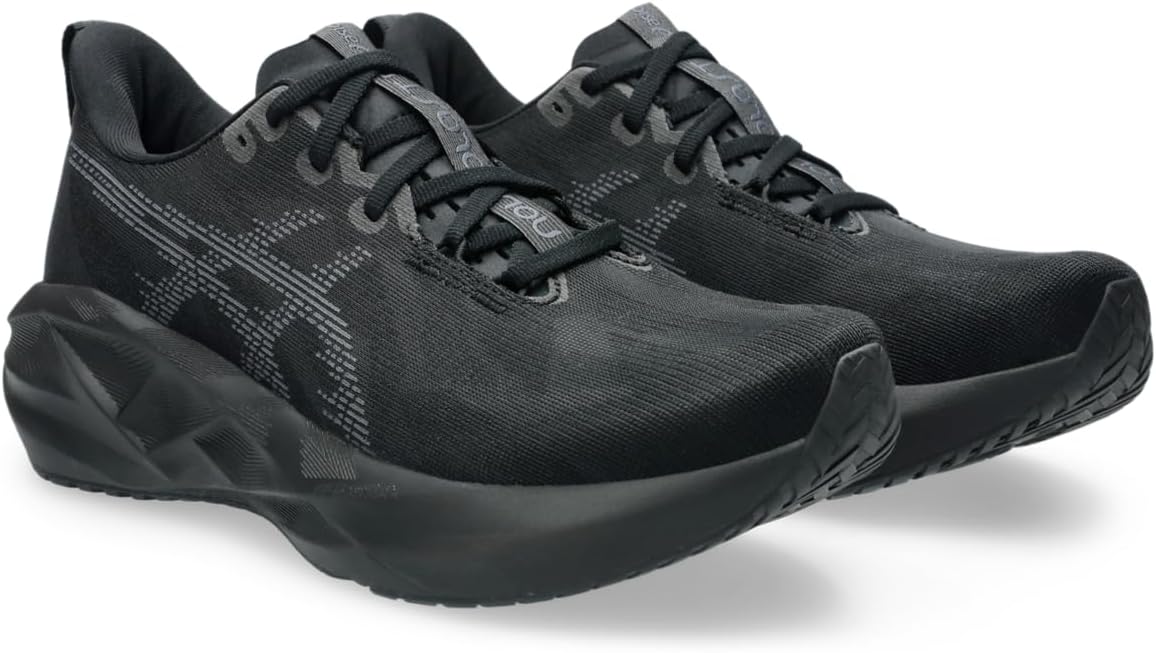
ASICS Novablast 5 — The Bouncy Wildcard
The Novablast 5 is the easiest shoe to misread. It looks like a cushioned daily trainer thanks to its tall foam stack — that stack height is the first thing reviewers mention. Runner’s World’s 2025 “ASICS Novablast 5 Review” flags the adaptation curve directly, and the same pattern echoes across RunRepeat’s aggregated owner data: “takes getting used to” is a recurring phrase. The stack sits noticeably high off the ground, which creates a sensation some runners describe as “floating” and others initially find wobbly.
Here’s what’s interesting: runners who push through that two-to-three-week adjustment period consistently flip to strong praise. The bounce the foam delivers feels effortless on longer efforts — tempo runs, half-marathon-paced long runs, and progression workouts — rather than on pure sprint intervals. Owners also flag that the wide version earns its own fan base. Wide-foot runners who have historically been locked out of speed shoe categories (because the performance silhouettes run narrow) cite the Novablast 5’s wide offering as a genuine solution. If you’ve been told “just go up half a size” in other speed shoes, the Novablast 5 wide is worth knowing about.
The honest caveat: the Novablast 5 is closer to a fast daily trainer than a pure race shoe. That’s not a weakness — it’s the point. For runners building toward their first half-marathon PR or looking for a single “does everything fast” shoe, it’s a compelling option.
ASICS
$129.95
In stock on Amazon
Check price on AmazonSaucony Endorphin Speed 5 — The Proven Workhorse
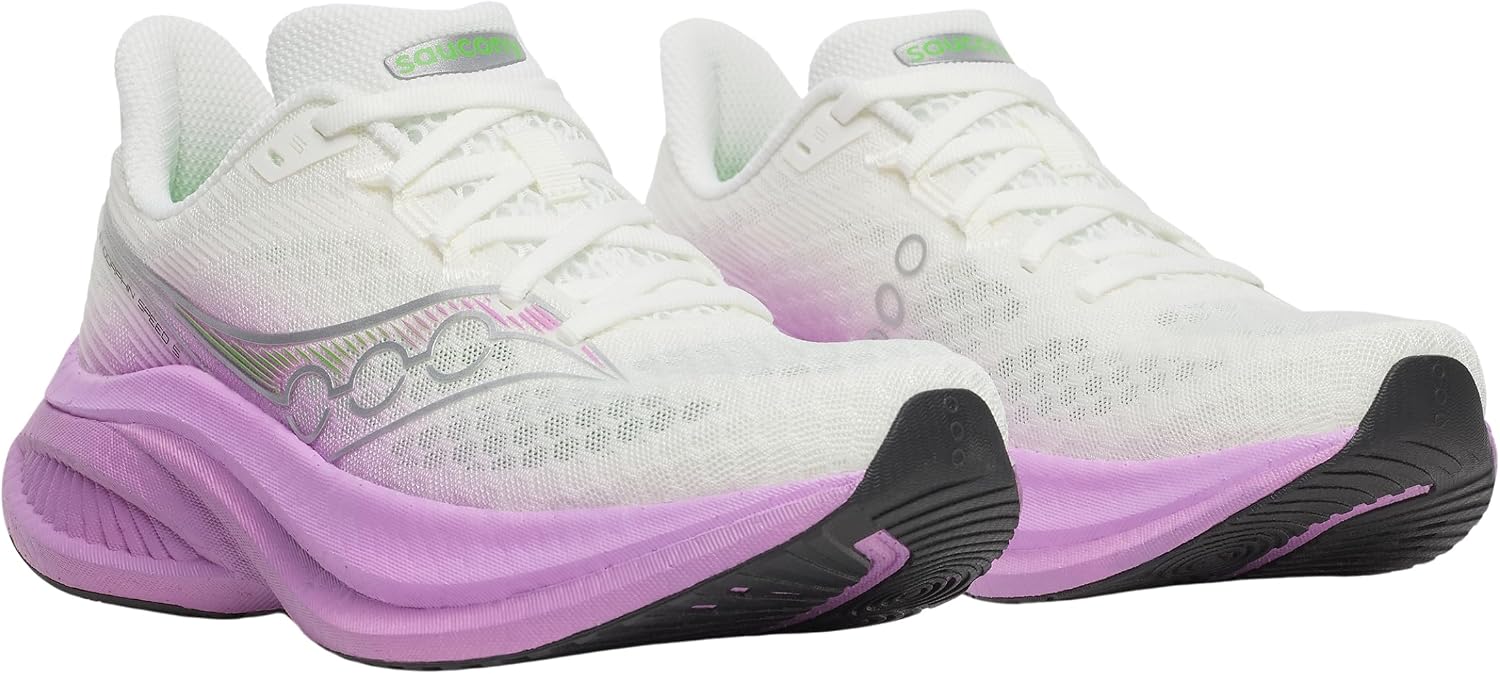
The Endorphin Speed line has been one of the most trusted non-elite speed shoes on the market since the Speed 3, and the fifth generation refines rather than reinvents. The nylon SpeedRoll plate delivers a rocker sensation — where the shoe guides your foot forward through the stride rather than making you generate all the propulsion yourself — and owner reviews compiled by RunRepeat consistently describe it as immediately intuitive. There’s almost no adaptation period, which is a meaningful advantage for runners who want to drop the shoe into rotation without a learning curve.
The fit note that surfaces repeatedly across RunRepeat’s aggregated owner data is specific enough to be actionable: the forefoot runs slightly snug for borderline-wide feet, even in standard sizing. If you’re right on the edge of needing a wide fit in other brands, go up half a size or confirm whether a wide option is available before ordering. This is the kind of detail that never makes it into press releases but saves you a return shipping label.
The race-day credibility data point: multiple owners in RunRepeat’s review database used the Endorphin Speed 5 for half-marathon racing and reported zero comfort issues, no hot spots, and no chafing across 13.1 miles. For runners who want a shoe that doubles as both a weekly workout tool and a half-marathon race shoe, the Endorphin Speed 5 has earned that endorsement from its own owners.
ASICS
$129.95
In stock on Amazon
Check price on AmazonLI-NING Feidian 6 Elite — The Brand Experiment That’s Paying Off
The LI-NING Feidian 6 Elite is the most interesting story in this group because the runners buying it know exactly what they’re doing: they are conducting a deliberate brand experiment. Across owner reviews compiled by RunRepeat, and noted in Outside Online’s 2025 feature “The Rise of Chinese Running Brands,” reviewers explicitly describe “dipping their toes into Chinese shoes” — they weren’t defaulting to LI-NING, they were testing it.
The results are hard to dismiss. Multiple reviewers documented running 10K personal bests in the Feidian 6 Elite. Direct comparisons to the Saucony Endorphin Speed 4 appear across owner reports, and the verdict skews favorable for the LI-NING. The carbon plate in the Feidian 6 Elite is stiffer and more aggressive than the nylon plate in the Endorphin Speed 5, which means it rewards faster paces — think 5K to 10K race efforts rather than long tempos — but it also requires a similar adaptation mindset as the Novablast 5’s tall stack.
The wide-foot finding here is the sleeper detail. Wide-foot runners appear disproportionately in LI-NING reviews relative to other shoe categories, suggesting the Feidian 6 runs more generously in the forefoot than Western-brand competitors. If you’ve found the Endorphin Speed line slightly too narrow and don’t want to size up, the Feidian 6 may fit without compromise.
Saucony
$157.25
In stock on Amazon
Check price on AmazonBy the Numbers
| Shoe | Plate Type | Adaptation Curve | Wide-Foot Option | Best Use Case |
|---|---|---|---|---|
| ASICS Novablast 5 | Propulsive guidance plate | Moderate (2–3 weeks) | Yes (dedicated wide) | Tempo + half-marathon training |
| ASICS — $129.95 Saucony Endorphin Speed 5 | Nylon SpeedRoll | Minimal | Limited | Half-marathon race + weekly workouts |
| Saucony — $157.25 LI-NING Feidian 6 Elite | Carbon fiber | Moderate | Runs wide natively | 5K–10K racing, tempo intervals |
| New — $127.25 ASICS Novablast 5 (wide) | Propulsive guidance plate | Moderate (2–3 weeks) | Yes (dedicated wide) | Wide-foot tempo + training |
The Decision Framework: If X, Then Y
Here’s where the analysis earns its keep. Stop reading spec sheets and start answering these questions about yourself.
If you have wide feet and have historically struggled to find speed shoes that fit, the Novablast 5 wide or the LI-NING Feidian 6 Elite are your clearest paths. The Endorphin Speed 5 is not your shoe in standard sizing — the forefoot snugness is documented and consistent across RunRepeat’s aggregated owner data.
If you want one shoe that can handle workouts and a half-marathon race day, the Endorphin Speed 5 is the strongest call. It has genuine race-day owner validation from RunRepeat’s review database, minimal adjustment required, and the SpeedRoll geometry is flexible enough across pace ranges to earn its spot in a multi-shoe rotation.
If you’re willing to spend two to three weeks letting your stride adapt and you want maximum bounce on long training efforts, the Novablast 5 rewards patience. The owners who dismiss it do so in the first week. The owners who stay with it consistently report, per RunRepeat’s aggregated reviews, that the floating ride becomes an asset on efforts over 45 minutes.
If you’re curious about LI-NING and willing to treat it as a calculated experiment, the Feidian 6 Elite has documented 10K PR results from real runners and favorable comparisons to Saucony’s prior generation. Outside Online’s 2025 feature “The Rise of Chinese Running Brands” notes that the technology gap between domestic Chinese brands and Western incumbents has closed faster than most Western observers expected. The brand risk is lower than it was 18 months ago.
If you’re a slower runner (10:00+ per mile) wondering whether any of these shoes will help you — they can, but manage expectations. As Podium Runner’s 2025 “Speed Shoe Guide: Plated vs. Unplated Trainers” explains, the rocker geometry and energy return in nylon-plated shoes like the Endorphin Speed 5 provide real perceived-effort benefits across a wide pace range, but the ROI is strongest for runners generating higher ground-reaction forces. A nylon-plate shoe like the Endorphin Speed 5 will feel more immediately useful than a full carbon plate at those paces. The plate doesn’t make a slow runner fast; it helps a trained runner sustain pace with less perceived effort. That’s still valuable — it’s just not magic.
Frequently Asked Questions
Is the ASICS Novablast 5 a true plated speed shoe or just a cushioned trainer? It’s a functional middle ground. The propulsive plate in the Novablast 5 is less aggressive than a carbon race shoe like the Metaspeed Sky+, but it’s meaningfully more propulsive than a standard daily trainer. Think of it as a fast trainer with speed shoe aspirations — ideal for tempo runs and long race-pace efforts rather than pure racing. Runner’s World’s 2025 “ASICS Novablast 5 Review” characterizes it similarly.
How does the Saucony Endorphin Speed 5 fit compared to standard Saucony sizing? The length tracks true to standard Saucony sizing, but the forefoot runs slightly narrower than their everyday trainers. Runners with borderline-wide feet should go up half a size or try the shoe on before committing. This pattern is consistent across owner reviews aggregated at RunRepeat.
Are LI-NING running shoes quality enough for race day? Based on documented owner experiences compiled by RunRepeat and discussed in Outside Online’s 2025 feature “The Rise of Chinese Running Brands,” yes — at the level of effort represented by 5K and 10K racing. Reviewers who deliberately tested the brand report genuine PRs and favorable comparisons to established Western competitors. Long-term durability data is thinner than for ASICS or Saucony simply because the brand has a shorter review history in Western markets.
Do plated speed shoes actually help slower or average-pace runners? The research on plate benefit is strongest for runners generating higher ground-reaction forces. That said, as Podium Runner’s 2025 “Speed Shoe Guide: Plated vs. Unplated Trainers” notes, the rocker geometry and energy return in nylon-plated shoes like the Endorphin Speed 5 provide real perceived-effort benefits across a wide pace range. You won’t get elite ROI, but the shoe will still make hard efforts feel more efficient.
Is the Novablast 5 good for wide feet? Yes, specifically in the dedicated wide version. Owners with wide feet who have struggled with other speed shoe categories cite the Novablast 5 wide as a genuine solution — not a workaround. RunRepeat’s aggregated owner data identifies this as one of its clearest competitive advantages among runners who have been historically underserved by performance footwear sizing.
How durable is the LI-NING Feidian 6 compared to Saucony or ASICS at the same price point? Long-term durability data is still accumulating. Owners report the outsole holds up well through 10K-range race distances, but multi-month training durability comparisons to the Endorphin Speed 5 or Novablast 5 are not yet available in volume via RunRepeat’s review database. If durability over 400-plus miles is a priority, ASICS and Saucony have deeper documented track records. If you’re buying the Feidian 6 as a race-day or key-workout shoe rather than an everyday trainer, the durability question matters less.