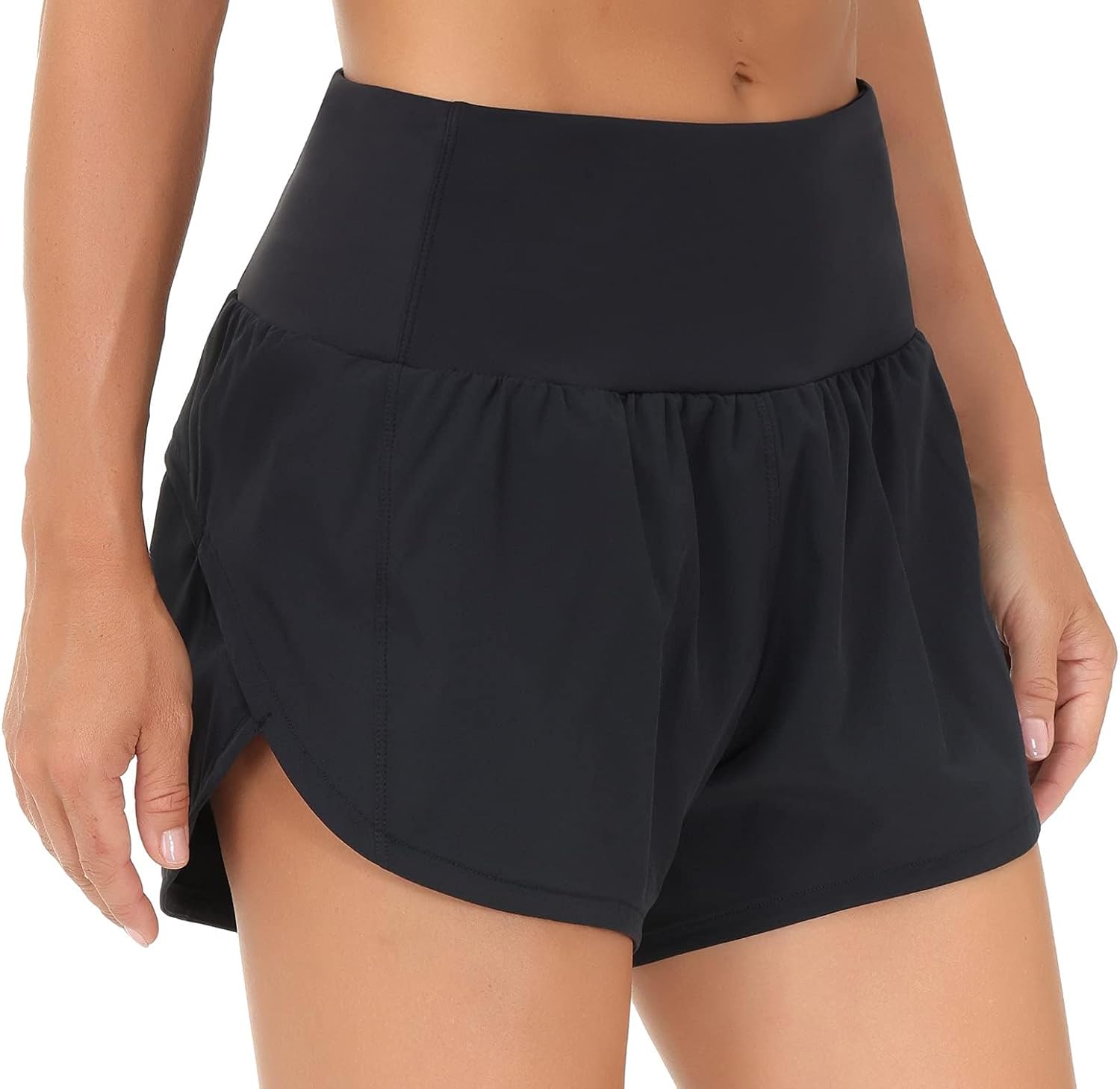
If you’ve ever grabbed a pair of running shorts and immediately wondered whether you’re supposed to wear underwear underneath — welcome to one of the most quietly confusing corners of running gear. A built-in liner is a layer of fabric sewn inside a running short, designed to replace separate underwear. It sits next to your skin and handles moisture, support, and friction management so the outer shell doesn’t have to. Simple concept, messy execution. The liner type, fit, and construction vary wildly from brand to brand, and a bad match can turn a 10-miler into a lesson in preventable suffering. This guide cuts through the noise: what liner styles actually exist, what real buyers consistently flag as deal-breakers, and how to make the right call before the return window closes.
The Liner Landscape: More Variation Than You’d Expect
Most runners assume “liner” means one thing. It doesn’t. There are at least three meaningfully different constructions on the market right now, and they behave like completely different garments.
Brief-style liner: The most common. Looks like a fitted brief or boxer-brief sewn into the outer shell. Meant to sit snugly against the body. This is what most runners picture when they hear “lined short.”
Compression liner: A longer, tighter layer — typically mid-thigh length — made from a compressive four-way-stretch fabric. Think of it as a built-in compression short. Reviewers of Maamgic running shorts consistently praise this construction, noting it functions well through the run and positions the brand as a credible alternative to pricier options like Chubbies at a fraction of the cost, per aggregated buyer feedback.
2-in-1 short: The outer shell and inner layer are two distinct pieces, sometimes cut from different fabrics and sewn together only at the waistband. The inner piece is effectively a full short-within-a-short. CRZ YOGA’s 2-in-1 double-layer short is the clearest example in recent buyer data — one reviewer explicitly purchased them for a half marathon and reported zero chafing across the full race distance, attributing that outcome directly to the 2-in-1 construction.
Loose or “athletic shorts” liner: A fourth, less-loved category. A light, non-compressive liner that hangs somewhat freely inside the shell. This is where things go wrong. One reviewer of THE GYM PEOPLE shorts describes the liner as “very big and loose” — explicitly contrasting it with the tight, underwear-style liner they expected — and states they plan to cut it out entirely. That single data point is a useful anchor: a loose liner that shifts during a run is often worse than no liner at all, because it introduces its own friction variable.
The Gaglg problem: On the opposite end, Gaglg men’s shorts surfaced in buyer reviews with a critical warning — multiple purchasers report the shorts lack a built-in liner entirely despite the listing’s framing, and that running in them requires adding separate compression shorts underneath. If you’re considering any budget or lesser-known short, confirm liner presence in the product description and the Q&A section before ordering.
By the Numbers
| Liner Type | Typical Inseam Length | Chafe Risk (per reviewer pattern) | Underwear Needed? |
|---|---|---|---|
| Brief-style | 0–2 in | Low–moderate (fit-dependent) | No |
| Compression | 5–7 in | Low | No |
| 2-in-1 layer | 3–6 in | Low (double-layer buffers seams) | No |
| Loose/athletic | 2–4 in | High (shifts under load) | Sometimes yes |
| No liner | — | High without separate layer | Yes |
Pattern derived from aggregated buyer reviews across major retail listings, May 2026.
The Tradeoffs Nobody Writes on the Hang Tag
Knowing the liner type exists is step one. Step two is understanding what each type costs you — not just in dollars, but in comfort and versatility.
Compression liners add warmth and coverage, but not for everyone
A compression liner is the most technically capable option for longer distances. The thigh-length coverage eliminates the inner-thigh chafe that shorter brief liners can miss, and the compressive fabric tends to stay put even when wet. The tradeoff: added thermal mass. On a humid summer long run, some runners find a compression liner liner feel close to wearing a second pair of shorts. Runners World’s best running shorts guide notes that liner preference is highly individual and tied to body geometry — there’s no universal right answer, only a right answer for your specific friction points.
2-in-1 shorts are the safest first bet, but sizing gets complicated
Because the inner layer is cut as a separate piece, 2-in-1 shorts typically have the most consistent fit between the outer shell and the inner layer. The CRZ YOGA half-marathon example above is a good data point — a race-day test over 13.1 miles is a meaningful durability signal. The complication: when a liner “runs large,” as some reviewers flag, you’re dealing with two fit problems simultaneously. Does the shell fit? Does the liner fit? They don’t always sync up even within the same size.
The BALEAF color-quality anomaly
One of the more unusual findings from aggregated buyer reviews: BALEAF running shorts appear to show quality variation by colorway, not just by size or batch. Reviewers specifically flag differences between charcoal and black versions of the same style — fabric weight, liner consistency, and stitching quality. This is rare enough to be worth surfacing: if you order BALEAF, consider sticking with the colorway that has the most verified buyer reviews rather than defaulting to your preferred color. Outside Online’s apparel coverage has noted that manufacturing variation within a single SKU is a known but underreported issue in the mid-tier athletic market.
When to size up versus size down on a liner that runs large
If a liner runs large, the instinct is to size down in the overall short. That logic is often correct — but it introduces a new problem if the outer shell then fits too snugly in the waistband or hips. The cleaner solution, per RunRepeat’s aggregated review patterns, is to treat a loose liner as a disqualifying defect rather than a sizing puzzle to solve. A liner that’s explicitly described by reviewers as loose and non-compressive is not going to be fixed by going down a size. Return it and move toward a compression or 2-in-1 construction instead.
Podium Runner’s running apparel coverage consistently emphasizes that liner fit is more consequential for injury prevention than most runners expect — inner-thigh irritation and blister-causing friction are the two most common training interruptions that trace back to poorly fitted undergarments or liners.
Pocket Reality Check: Will Your Phone Actually Stay Put?
This is the second most common buyer complaint after liner issues, and it compounds the sizing problem. Most running shorts with pockets advertise phone storage, but the physics of a bouncing phone are real. A few honest signals to look for:
- Zippered side pockets are significantly more secure than open-top pockets, but add heat and bulk at the hip.
- Liner pockets — pockets sewn into the liner itself rather than the outer shell — keep the phone close to the body and dramatically reduce bounce, but they work best with compression liners that don’t shift.
- Reviewer-reported phone size: If a listing’s verified reviews mention specific phone models by name (“fits iPhone 14 Pro Max without bouncing”), that’s the most reliable signal you’ll find. Manufacturer dimensions are measured flat and at rest — your phone bounces.
If you’re running halves or marathons with your phone, treat a zippered liner pocket as a near-mandatory feature. Open-top shell pockets are appropriate for keys or gels, not a 7-ounce device at mile 10.
Frequently Asked Questions
1. What is the difference between a 2-in-1 running short and a regular lined short?
A regular lined short has a single layer of fabric (the outer shell) with a liner sewn into the inside, typically at the waistband and inseam. A 2-in-1 short has two distinct layers — an outer shell and an inner short — that are cut and constructed separately and only connected at the waistband. The practical difference: 2-in-1 liners tend to move more independently, drape more naturally, and are less likely to bunch or ride up because they’re not a single bonded piece.
2. Do built-in liners replace underwear, or do I still need to wear something underneath?
A properly fitted brief-style or compression liner is designed to replace underwear entirely. Running in both is generally counterproductive — the extra fabric layer increases heat, friction, and moisture retention. The exception is a loose, non-compressive liner (like the one a THE GYM PEOPLE reviewer described). If your liner moves and shifts, wearing a snug pair of moisture-wicking briefs underneath can stabilize it — but at that point, you’re solving a problem the short shouldn’t have created.
3. Are biker shorts suitable for running, or just cross-training?
Biker shorts — typically mid-thigh compression shorts without an outer shell — are functional for running but not optimized for it. They lack the aerodynamic shell that helps manage fabric noise and wind at pace, and they often don’t include the specific pocket configurations that runners need. That said, for shorter efforts or training days where fit and chafe prevention are the priority, many runners use biker shorts without issue. For race day or long runs, a purpose-built 2-in-1 or compression-lined running short will serve better.
4. How do I know if a short’s pockets will actually hold my phone without bouncing?
Don’t trust the listing description — trust the reviewer comments, specifically ones that name a phone model and a distance. A pocket that “holds a phone securely” according to a reviewer who walked around a store is not equivalent to one that held a phone at 8:30 pace for 90 minutes. Look for zippered pockets or liner-integrated pockets, and prioritize reviews that mention running in the shorts, not just trying them on.
5. Should I size up or down when a running short’s liner runs large?
In most cases, sizing down in the overall short to compensate for a loose liner creates a new fit problem at the waistband or hip. The better decision frame: if the dominant reviewer complaint about a specific model is that the liner runs large and loose, that’s a construction issue, not a sizing issue. Move to a different model with a compression or 2-in-1 liner rather than trying to engineer a fit that the garment wasn’t built to deliver.
The Decision Rule
If you’re buying running shorts for any distance over 5 miles, here’s the clearest framework the buyer data supports:
- If chafe prevention is your primary concern → choose a 2-in-1 short with a verified half-marathon or marathon review (CRZ YOGA’s construction is the benchmark here).
- If you want maximum support and don’t mind warmth → compression liner is the right call; Maamgic reviewers consistently validate the functional payoff.
- If a reviewer describes the liner as “loose” or “big” → treat it as a disqualifying defect, not a sizing problem to solve.
- If the listing doesn’t explicitly confirm a built-in liner → check the Q&A section and verified reviews before ordering; the Gaglg situation shows that “looks like it has a liner” is not the same as “has a liner.”
- If your phone security matters → liner pocket with zipper, full stop.
The liner is not a detail. It’s the part of the short that spends every mile against your skin. Get it right first, and everything else is optimization.