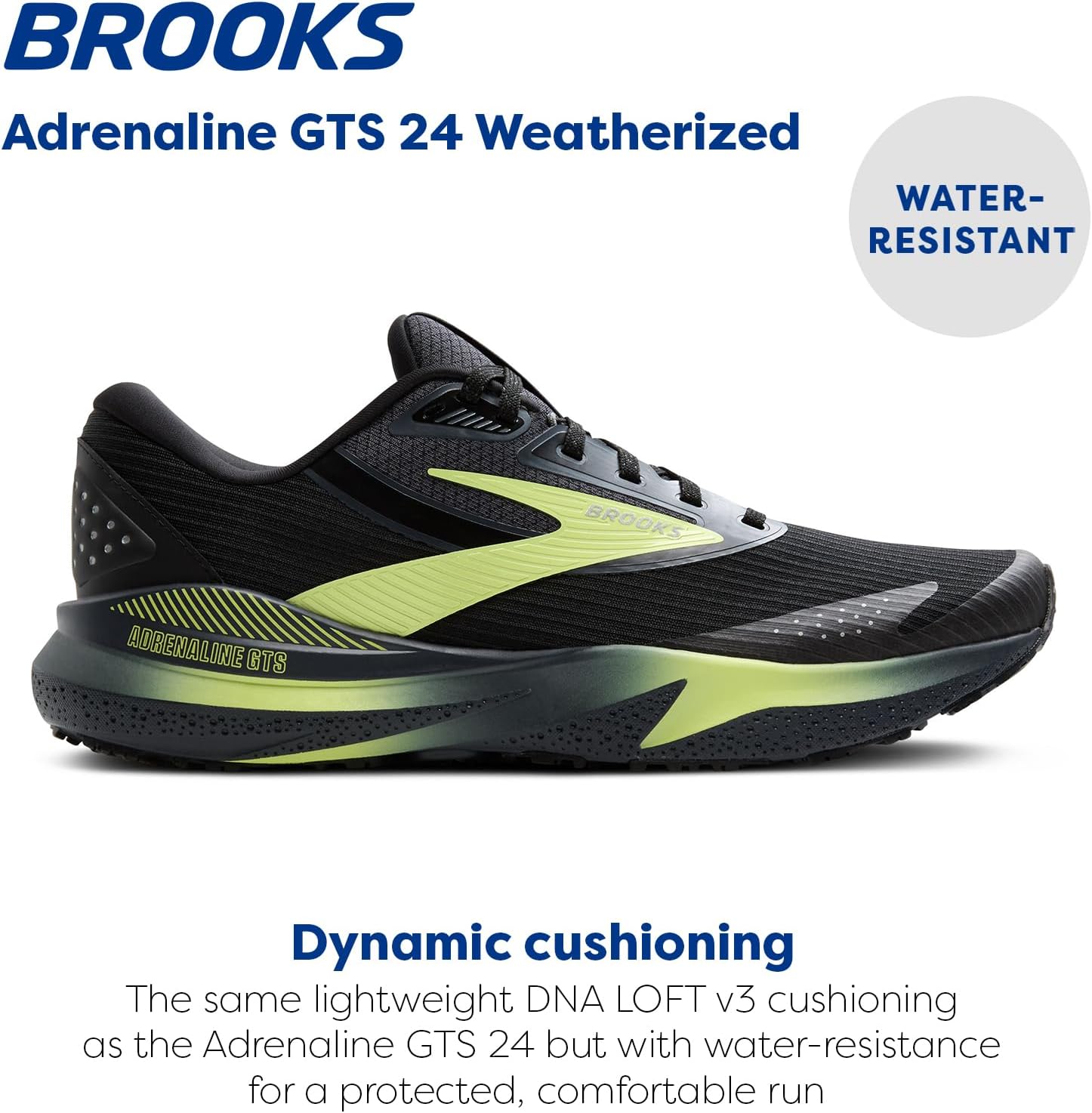
If you’ve ever typed “best shoes for flat feet” or “running shoes for bad knees” into a search engine and watched the same two names appear on every list — Brooks Adrenaline GTS and ASICS Gel-Kayano — you’re in the right place. Both are stability shoes, meaning they’re built with extra structural support along the inner edge of the midsole to reduce the inward roll of the foot (called overpronation) that can stress knees, hips, and the plantar fascia, the connective tissue along the bottom of your foot. They’ve been updated annually for decades, and they carry devoted followings that include not just runners but nurses, warehouse workers, postal carriers, and anyone else clocking 15,000-plus steps a day on hard surfaces. This article breaks down exactly how they differ, who belongs in each shoe, and where the tradeoffs get real — so you can stop researching and start ordering.
What You’re Actually Buying When You Buy a Stability Shoe
Before the head-to-head, it’s worth being precise about what “stability” means in 2026, because the category has evolved. A decade ago, stability shoes typically used a dual-density foam wedge — a firmer stripe of foam on the medial (inner) side of the midsole — to mechanically block inward roll. Both the Brooks Adrenaline GTS and the ASICS Gel-Kayano still use that general principle, but their implementations are now more sophisticated and less aggressive than older versions.
Brooks Adrenaline GTS 25 uses GuideRails — a Brooks-proprietary system of firmer foam bumpers on both the medial and lateral (outer) sides of the heel. The design intent, per Brooks’ published product documentation, is to catch excess movement in either direction rather than simply blocking inward roll. Runner’s World’s 2025 “Best Stability Running Shoes” roundup describes the GuideRails approach as notably gentle compared to older medial-post designs — a meaningful advantage for people who’ve found traditional stability shoes feel stiff or corrective in an uncomfortable way.
ASICS Gel-Kayano 32 uses a combination of FF Blast+ Eco midsole foam and a 3D Space Construction geometry that ASICS describes as a curved, hammock-like footbed shape. The goal is similar — reduce excess motion — but the execution feels different underfoot. Runner’s World and Podium Runner’s 2025 “Stability Shoe Buyer’s Guide” both note the Kayano 32 delivers a noticeably plush, cushioned ride, with support working subtly beneath generous cushioning rather than as an obvious structural intervention.
The Running Clinic’s 2024 overview “Overpronation and Stability Footwear: Current Evidence” provides important context: the research on whether stability shoes actually prevent injury in overpronators is mixed. What the evidence does support is that for people already experiencing pain from excessive pronation — or who’ve been advised by a podiatrist or physical therapist to add medial support — a well-fitted stability shoe frequently reduces symptoms. Aggregated buyer data reviewed by RunRepeat in their 2025 Adrenaline GTS 25 and Gel-Kayano 32 databases echoes this: the most common purchase trigger isn’t a biomechanics lab visit, it’s a painful condition — plantar fasciitis, knee pain, arch collapse — that sent someone looking for relief.
Side-by-Side: The Specs That Actually Matter
| Specification | Brooks Adrenaline GTS 25 | ASICS Gel-Kayano 32 |
|---|---|---|
| Heel-to-toe drop | 12 mm | 10 mm |
| Stack height (heel / toe) | ~33 mm / 21 mm | ~40 mm / 30 mm |
| Weight (men’s size 9) | ~10.3 oz | ~10.9 oz |
| Width options | B, D, 2E, 4E | B, D, 2E |
| Support system | GuideRails (bilateral) | 3D Space Construction + FF Blast+ Eco |
| Primary strength | Versatility, orthotic-friendliness | Maximum cushion volume |
The Kayano 32’s significantly higher stack — roughly 7 mm more cushioning under the heel — is the single most consequential spec difference for most buyers. More stack means more material between your foot and the ground, translating to a softer, more cushion-forward sensation. For all-day walkers logging 20,000-plus steps on concrete, that extra buffer is frequently described in owner reviews aggregated by RunRepeat as “game-changing” for end-of-day fatigue. The tradeoff is a slight reduction in ground feel and a slightly heavier shoe.
The GTS 25’s 12 mm drop is on the higher end for a modern shoe, which positions it naturally for heel strikers — the geometry supports rather than fights that landing pattern.
Three Buyer Profiles: Which Shoe Fits Your Situation
H3: The Versatile Daily Trainer for Runners with Flat Feet or Pain Conditions
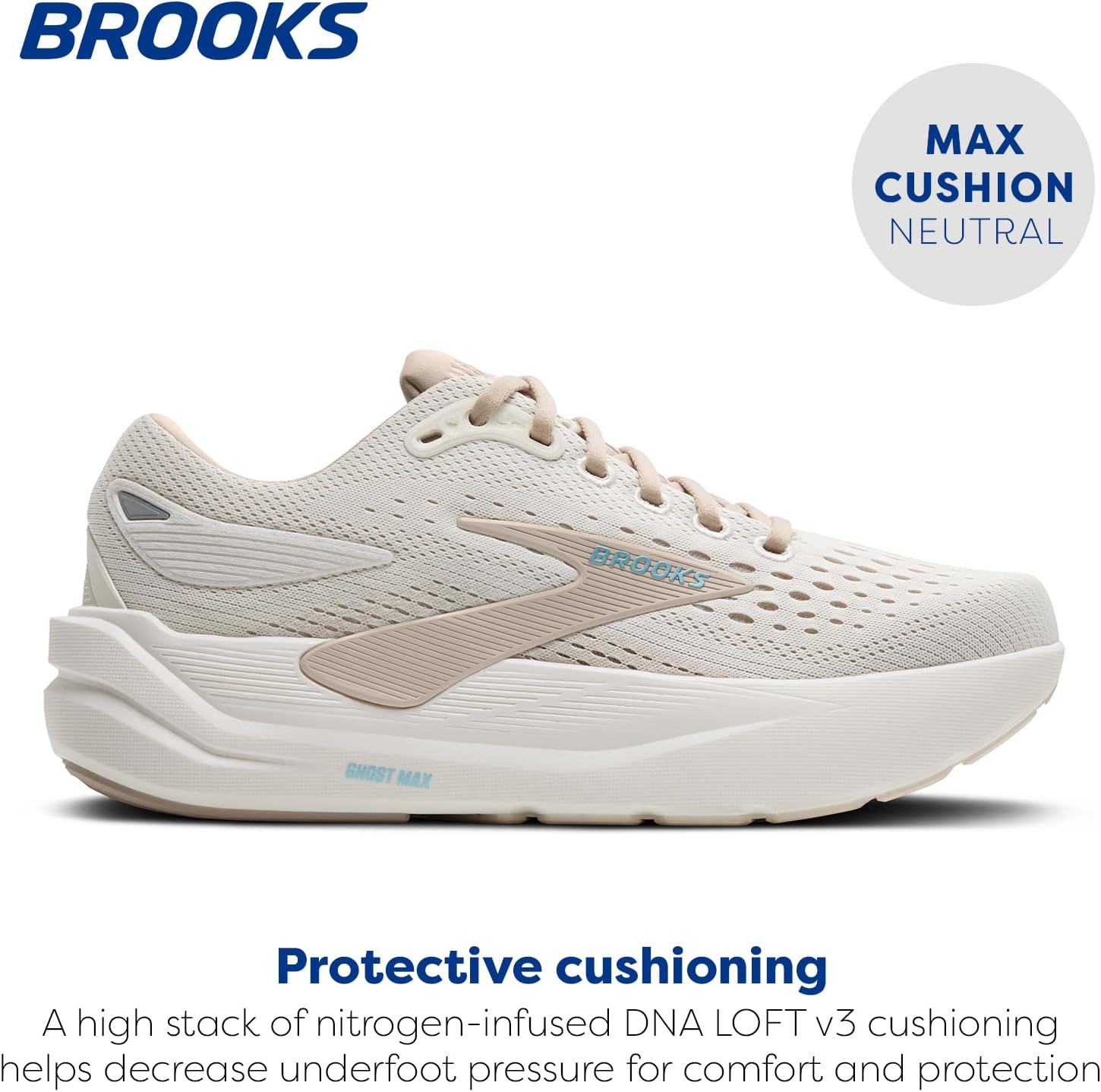
The Adrenaline GTS 25 is the stronger choice for buyers who run — even occasionally — and are managing an active pain condition like plantar fasciitis, heel spurs, or knee discomfort related to overpronation.
Runner’s World’s 2025 stability roundup consistently positions the GTS as a top recommendation for flat-footed buyers with these conditions precisely because the GuideRails support is firm enough to help without being stiff enough to create new problems. RunRepeat’s aggregated GTS 25 review database shows consistent praise for the shoe’s ride quality — described repeatedly as “stable without feeling like a corrective device.” Runners who’ve tried more aggressive stability shoes and found them uncomfortable often describe the GTS as the first shoe that worked.
The GTS 25 also has a removable sockliner and a relatively straight last, making it one of the more orthotic-friendly stability shoes available. Its availability in widths up to 4E gives buyers with thick custom inserts the volume they need. One recurring caution in RunRepeat’s GTS 25 wide (2E) owner reviews: the shoe can fit snug through the toebox even in wide sizing. The consistent recommendation from buyers who’ve navigated this is to size up half a size if you’re between sizes or have a wide forefoot.
Brooks
$119.95
In stock on Amazon
Check price on AmazonH3: The Maximum-Cushion Pick for High-Volume Walkers
For buyers whose primary activity is walking — full nursing shifts, warehouse floor work, 20,000-step daily totals — the ASICS Gel-Kayano 32 earns its reputation through sheer cushion volume.
Podium Runner’s 2025 “Stability Shoe Buyer’s Guide” notes the Kayano’s consistently plush ride as a defining competitive advantage for on-feet-all-day wearers. The higher stack is not a marketing abstraction — buyers who’ve switched between the GTS and the Kayano specifically for walking purposes, documented in RunRepeat’s Kayano 32 aggregated review database, consistently report the Kayano wins on end-of-day fatigue reduction. The support system works through geometry and foam tuning rather than obvious bumpers, which means runners who’ve historically resisted stability shoes because they “feel wrong” often describe the Kayano as the gentler entry point.
The Kayano 32 also has a removable insole and accommodates full-length orthotics in most widths, though buyers with thick inserts are better served by the 2E option, which provides the extra volume most custom orthotics require.
Brooks
$199.95
In stock on Amazon
Check price on AmazonH3: The Loyalty Upgrade for Long-Term Kayano Wearers
One of the Kayano’s most underappreciated competitive advantages is fit consistency across model years — a quality noted by Podium Runner’s 2025 stability guide as rare in the footwear category. A well-documented pattern in RunRepeat’s Gel-Kayano aggregated database includes multiple reviewers who have purchased six, eight, or ten consecutive pairs across model generations. If your feet have fit a previous Kayano well, the 32 is highly likely to fit the same way.
For this buyer, the decision framework is straightforward: the 32 delivers updated foam technology (FF Blast+ Eco replaces the previous generation’s compound) and refined geometry while preserving the sizing and fit signature that loyal buyers have relied on for years. Switching to the GTS introduces sizing and fit uncertainty that the Kayano 32 upgrade simply doesn’t carry.
Brooks
$199.95
In stock on Amazon
Check price on AmazonThe Decision Frame: If X, Then Y
If you’re a heel striker with flat feet, plantar fasciitis, or knee pain, and you want a do-everything daily trainer that also works for running: → Brooks Adrenaline GTS 25. It’s slightly lighter, has a higher drop that rewards heel striking, and the GuideRails system handles support without making the shoe feel corrective. Size up half a size if you’re borderline on width.
If you’re primarily a high-volume walker (10,000–25,000 steps daily) and your top priority is end-of-day foot fatigue: → ASICS Gel-Kayano 32. The extra stack is not marketing — owners who’ve compared both shoes for walking specifically, in RunRepeat’s aggregated databases, consistently report the Kayano wins on cushion volume.
If you’ve worn previous Kayano models and they’ve fit well: → Stay in the Kayano 32. Fit consistency across generations is one of the strongest arguments in footwear for any repeat buyer.
If you use custom orthotics with a thick profile: → Brooks Adrenaline GTS 25 in 2E or 4E. The wider range of available widths gives you more room to work with a substantial insert.
If you have lower-back or sciatic pain and want to know if either shoe will help: The Running Clinic’s 2024 “Overpronation and Stability Footwear: Current Evidence” overview supports the underlying logic: cushioned, stability-oriented footwear can reduce impact forces transmitted up the kinetic chain from foot to knee to hip to spine. Owner reviews in both shoes’ RunRepeat databases include buyers managing sciatica and lower-back conditions who report meaningful real-world benefit. Neither shoe is a medical device, and individual results vary, but the biomechanical rationale is legitimate and is reflected in the frequency with which physical therapists recommend both models.
How Long Will These Shoes Last?
Both manufacturers publish a general lifespan guideline of 300–500 miles for cushioned running shoes. Under heavy daily walking — typically lower-impact per step than running — the midsole foam can last longer in calendar terms, but high step counts accelerate compression. Buyers logging 15,000 steps daily are covering roughly 7–8 miles of walking per day, meaning a shoe can accumulate 250 miles in a single month.
RunRepeat’s 2025 aggregated durability ratings place both the GTS 25 and Kayano 32 above average for their category. Owners using either shoe for exclusive daily walking rather than running report getting 8–14 months of use before noticeable cushion breakdown — though this varies significantly by body weight, surface hardness, and gait mechanics. The practical rule: if the shoe’s heel or forefoot feels noticeably less cushioned than it did new, or if knee or foot pain returns after a period of relief, it’s time to replace regardless of calendar age.
Frequently Asked Questions
Are Brooks Adrenaline GTS shoes worth the price for flat feet? Based on RunRepeat’s aggregated owner reviews and Runner’s World’s 2025 editorial coverage, the GTS is one of the most consistently recommended stability shoes for flat-footed buyers — not because it’s the only option, but because the GuideRails system provides meaningful support without feeling punishing. Buyers who’ve tried and abandoned more aggressive stability shoes frequently report the GTS delivered relief without discomfort.
Do I need to size up in the GTS 25 wide? A recurring pattern in RunRepeat’s GTS 25 wide (2E) review data: the shoe fits snug through the toebox even in wide sizing. The buyer consensus is to size up half a size if you’re between sizes or have a wide forefoot. If you’re solidly within a standard width and just have a high instep, your normal size is likely fine.
How does the Adrenaline GTS compare to the Gel-Kayano for heel strikers? The GTS’s 12 mm heel-to-toe drop is slightly more accommodating for heel strikers than the Kayano’s 10 mm, and the GuideRails positioning specifically around the heel suits that landing pattern well. Both shoes handle heel striking — neither will fight your gait — but the GTS is marginally more optimized for it.
Will either shoe fit a custom orthotic? Yes. Both have removable insoles and footbeds designed to accept aftermarket inserts. The GTS’s availability in 4E gives it a practical edge for buyers with thick orthotics or very wide feet. In standard or 2E widths, both shoes accommodate most full-length custom inserts without major crowding.
How long do these stability shoes last under heavy daily walking? For buyers logging 15,000-plus steps per day, owners in RunRepeat’s aggregated databases report roughly 8–14 months before cushion breakdown becomes noticeable, depending on body weight and surface. The 300–500 mile guideline holds — the math simply moves faster at high daily step counts.
Can a non-runner with back pain benefit from a stability running shoe? The Running Clinic’s 2024 evidence review supports the logic: stability footwear with adequate cushioning can reduce impact forces transmitted up the kinetic chain, which may benefit people managing lower-back or sciatic conditions. Owner reviews for both shoes include a meaningful number of non-runners who purchased specifically for back-pain relief and report positive outcomes. Neither shoe is a medical treatment, and results vary by individual, but the biomechanical rationale is well-grounded.