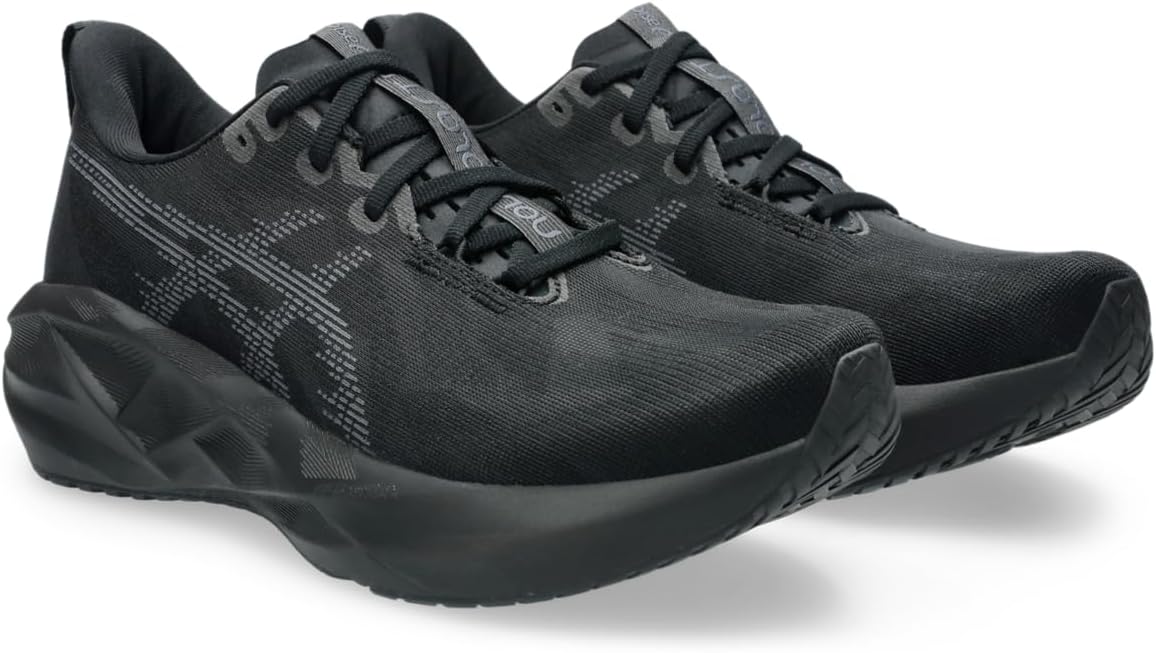
If you’re building toward a half-marathon or marathon PR, you’ve probably heard coaches and runners talk about “tempo runs” — workouts done at a comfortably hard pace, faster than your easy jog but slower than an all-out sprint. These sessions are the engine of speed development, and the shoes you do them in matter more than most people realize. The reflex is to lace up your shiniest, most expensive carbon-plated racer for every hard workout — but that approach quietly drains both your budget and your shoe’s racing life. A carbon-plate shoe (one built with a stiff, embedded carbon fiber plate designed to propel you forward at race speed) can degrade meaningfully in as few as 200–300 miles, per RunRepeat’s carbon plate running shoes mega test. Do your tempo workouts in it twice a week and you may roll to the start line with a shoe that’s already past its peak. The smart play: find a tempo trainer that builds the same neuromuscular speed patterns and gives your carbon racer a long, healthy shelf life.
That’s exactly what this guide is about. We’ll break down what makes a shoe actually useful for tempo work, name the tradeoffs between the main categories of tempo trainers, show the math on cost-per-workout, and close with a clear decision framework so you can match the right shoe to your specific training setup.
What Makes a Shoe “Tempo-Ready” — and What Doesn’t
Tempo pace — roughly 25 to 30 seconds per mile slower than your 5K race pace — demands a specific combination from a shoe. You need enough cushion to absorb repeated hard footstrikes across 4–10 miles, enough responsiveness to let you feel fast and fluid, and enough structure to hold your foot securely through turnover. That’s a tighter spec window than it sounds.
Three shoe archetypes compete for this role:
1. Plated trainers with nylon or TPU plates. These use a stiffer plate material — nylon or thermoplastic polyurethane rather than carbon fiber — to create propulsive geometry without the cost or durability sensitivity of carbon. The plate adds snap and encourages a forefoot rocker motion, but the shoe is engineered to handle 400–600 miles of training rather than the 200–300-mile lifespan of a full carbon racer. Runner’s World’s tempo shoe coverage consistently highlights this category as the practical “daily speed” workhorse for intermediate runners building a rotation.
2. Highly responsive foams without any plate. Shoes built on super-foams like Adidas’s LIGHTSTRIKE Pro, New Balance’s FuelCell, or Saucony’s PWRRUN PB can deliver an energetic, propulsive feel through foam geometry and stack height alone. They’re softer underfoot than plated options, which some runners prefer for longer tempo work (threshold runs of 8+ miles), and they tend to be more forgiving if your form degrades late in a workout.
3. Traditional “uptempo trainers.” Think of the Nike Tempo Next% predecessor lineage or the ASICS Novablast series — firmer, lower-stack shoes that train your legs to handle fast turnover without the “assist” of a plate. Outside Online’s coverage of carbon plate skepticism makes a compelling case that for runners under about 3:30 marathon fitness, the propulsive gain of a full carbon plate is modest, and training without one builds stronger intrinsic foot mechanics over time.
The right category for you depends on three variables: your weekly mileage, how many hard days you’re running per week, and how much cushion you need to stay comfortable through your longest tempo sessions.
The Real Cost of Using Your Racer as a Trainer
Here’s the math that changes the conversation.
By the numbers:
- Carbon-plated racers average $250–$270 at the 2026 market (ASICS Metaspeed Sky+, On Cloudboom Echo 3)
- Estimated peak-performance lifespan: 200–300 miles per RunRepeat’s mega test data
- Two tempo runs/week × 7 miles average = ~14 miles/week in your racer
- Miles to “degraded” at that rate: 14–21 weeks — before your goal race
Run your tempo workouts in a $160 nylon-plated trainer instead, and your $260 racer sits fresh until race morning. The trainer pays for itself by extending your carbon shoe’s peak window by a full training block.
This isn’t a theoretical concern. The Running Clinic’s guidance on footwear rotation and training load notes that midsole foam compression is cumulative and largely irreversible — and that athletes who rotate two or more shoes across hard and easy days show measurably lower injury rates in longitudinal tracking. Using a dedicated tempo trainer is rotation logic in practice, not just gear-nerd philosophy.
Shoe-by-Shoe Decision Framework
Rather than a ranked list, here’s a tradeoffs-first breakdown of the most-discussed options in this category as of mid-2026, organized by the use case they serve best.
If your tempo runs are 4–8 miles at threshold pace (the most common use case)
A nylon-plated trainer is almost always the right answer. The Saucony Kinvara Pro — built on PWRRUN PB foam with a nylon plate — shows up repeatedly in Podium Runner’s rotation guides as the tempo workhorse for runners logging 40–60 miles per week. Owners in aggregated reviews consistently describe it as “fast enough to feel like racing, durable enough to not worry about.” The stack height (roughly 28mm heel / 24mm forefoot) is lower than most carbon racers, which keeps proprioception (your foot’s sense of ground contact) sharper during hard efforts.
The New Balance FuelCell Rebel v4 takes the non-plated route but leans on FuelCell foam’s nitrogen-infused structure to deliver snappy turnover. Reviewers across Runner’s World and RunRepeat note it runs slightly “bouncier” than the Kinvara Pro and suits runners who find plated trainers too firm. It’s also ~$30 less expensive, which matters if you’re building a multi-shoe quiver on a budget.
If your tempo work bleeds into longer efforts (8–14 miles, marathon-pace long runs)
You want more cushion without losing the responsiveness. The Hoka Mach 6 — a foam-only design with an early-stage meta-rocker geometry — earns consistent praise in this zone. Runner’s World reviewers describe it as a “do-almost-everything” shoe that handles 10-mile marathon-pace runs without the foot fatigue that lower-stack trainers create late in a long effort. It’s not as snappy as a plated option at pure tempo pace, but for marathon runners whose “tempo” work is often race-pace miles stacked onto a long run, the extra cushion dividend is real.
The ASICS Novablast 5 belongs in this conversation too. Its FlyteFoam Blast+ midsole is engineered for vertical energy return rather than forward propulsion, which makes it feel distinctly different from a rocker-geometry shoe — bouncier, less “locked in,” but excellent for sustained marathon-pace miles where you want your legs to stay fresh for the final third.
If you’re a sub-elite or competitive age-grouper training at 60+ miles per week
You may want a plated trainer that’s purpose-built for the volume. The Nike Vaporfly 3 in its training context (not race day) and the Adidas Adizero Adios Pro Evo 2 have both been discussed in this framing — but the more realistic workhorse pick at this tier is the Brooks Hyperion 2. It uses a nitrogen-infused DNA Flash midsole, sits at a lower stack than most super-trainers, and is built for runners comfortable with a firmer, faster-on-the-foot feel. Podium Runner’s coverage of high-mileage shoe rotation places it squarely in the “tempo specialist” category for competitive athletes who need durability alongside speed stimulus.
The Decision Rules
If you’re in the middle of a training block and trying to make a call right now, here’s the framework:
If you own a carbon-plated racer and race 2–4 times per year: a dedicated tempo trainer is non-negotiable. The math above makes the case clearly. Pick the Kinvara Pro or FuelCell Rebel v4 depending on whether you prefer a plated feel (Kinvara) or a softer foam ride (Rebel).
If you don’t own a carbon racer and are building your first speed rotation: start with the Hoka Mach 6 or ASICS Novablast 5. They’re versatile enough to pull double duty as tempo shoes and longer easy-day trainers, which keeps your rotation simpler while you’re still developing intuition for what each shoe does to your stride.
If you’re training at 55+ miles per week with multiple quality sessions: you need at least two distinct speed shoes — one for shorter, sharper tempo intervals (Kinvara Pro, Brooks Hyperion 2) and one for longer marathon-pace work (Mach 6, Novablast 5). Rotating between them also extends the lifespan of both, which Outside Online’s carbon plate skepticism piece frames as the “marginal gains” that actually compound over a 16–20 week build.
If your budget is the constraint: the FuelCell Rebel v4 is the clearest value play in this category — fast enough to serve as a genuine speed trainer, priced low enough to not stress about miles. It’s the one we’d buy first if we were starting a rotation from scratch.
One last note on the “just train in my racer” instinct: it’s not wrong to occasionally race-day simulate in your carbon shoe — one or two long runs in race shoes before a goal event is standard practice and worth doing. The issue is frequency. Save your carbon plate for the moments it was engineered for, and let a purpose-built tempo trainer do the unglamorous, mileage-accumulating work of actually making you faster. That’s the rotation logic that shows up in virtually every serious training plan, from the coaches at The Running Clinic to the gear editors at Runner’s World — and it’s the clearest path to arriving at your goal race with both fresh legs and a shoe that still has something left to give.